
Plants
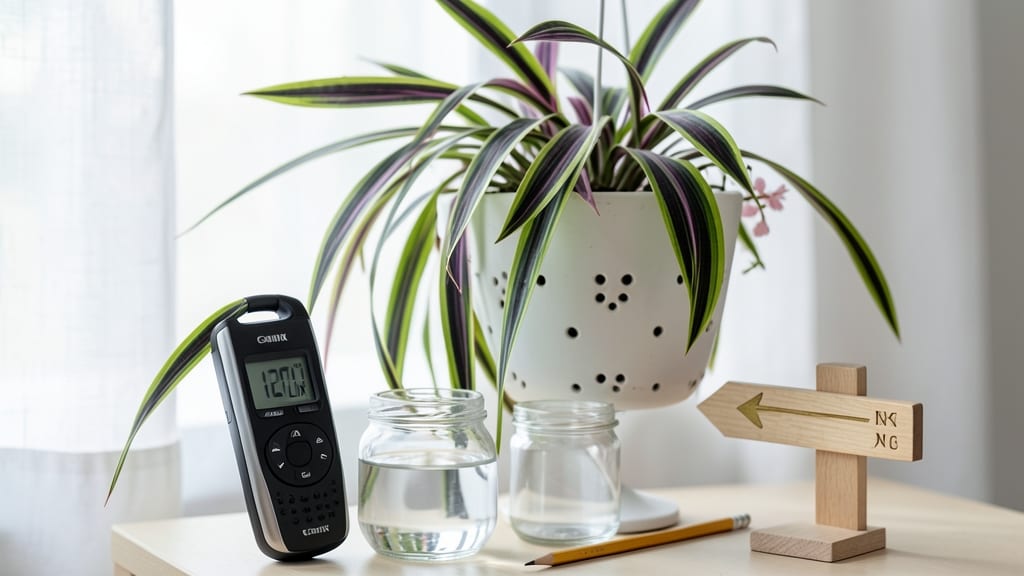
Want to know how much light does an inch plant need to thrive? The answer lies in bright indirect sunlight—the perfect balance that keeps those stunning purple-striped leaves vibrant and full of life instead of stretching out like a sad noodle.
Too little light, and your plant turns into a leggy shadow of its potential, reaching desperately for any scrap of brightness. Too much direct sun, and those gorgeous leaves start burning like a bad sunburn. The key is finding that perfect balance where your inch plant thrives without stress.
I’ve helped countless plant parents fix their struggling inch plants by mastering this simple but critical detail. Whether you’re dealing with a dim corner or a south-facing window, I’ll show you exactly how to create the ideal growing conditions for lush, healthy foliage.
Ready to transform your inch plant from "meh" to "wow"? Let’s dive into the secrets of bright indirect light and why it’s the game-changer for your plant’s growth.


Optimal light requirements for inch plants: bright indirect sunlight explained
If you've ever watched your inch plant (Tradescantia sillamontana) stretch toward the window like a sleepy cat reaching for sunlight, you're not alone. This tropical beauty thrives in bright indirect light, but too much or too little can spell disaster.
The key lies in understanding light intensity, duration, and positioning—because unlike sun-worshipping succulents, inch plants prefer a gentle glow over harsh rays.
Think of it like a perfect coffee order: too weak, and your plant grows leggy; too strong, and it gets sunburned. The ideal spot mimics its natural understory habitat—dappled sunlight through canopy leaves.
This means placing your plant within 2-3 feet of an east or west-facing window, where morning or filtered afternoon light bathes it without the intensity of midday sun. South-facing windows can work too, but only if you diffuse the light with a sheer curtain.
Now, let's get scientific for a moment. Inch plants rely on chlorophyll a and b to capture light energy, but their photosynthesis efficiency peaks at moderate light levels. Too little light, and they'll stretch (etiolation) to reach for more.
Too much, and those gorgeous purple undersides will bleach out, leaving you with sad, yellowed leaves. The sweet spot? About 4-6 hours of bright indirect light daily, with occasional 1-2 hours of direct sun to keep them happy.
| Light Requirement | Ideal Specification | Window Placement | Grow Light Alternative |
|---|---|---|---|
| Light Intensity | Bright indirect (500-1000 foot-candles) | East/west-facing, 2-3 ft from window | 12-14 hrs LED grow light (6000K) |
| Daily Duration | 4-6 hours bright light | Rotate weekly for even growth | 12 hrs daily (morning/evening) |
| Direct Sun Tolerance | 1-2 hours max (afternoon) | South window needs sheer curtain | Avoid direct LED exposure |
| Seasonal Adjustments | Increase light winter (supplemental) | Move closer to window in winter | Add 2-3 hrs grow light |
For those of us without ideal windows, grow lights are a game-changer. A simple LED grow light with a 6000K color temperature (cool white) can mimic natural sunlight. Position it 6-12 inches above your plant and run it for 12-14 hours daily.
Pro tip: Use a timer to automate this—consistency is key! If you notice your plant leaning toward the light, rotate it quarter-turn weekly to prevent lopsided growth.
Ever wondered why some inch plants look like they're from a different species? The answer often lies in light exposure. Plants in low light develop longer stems and smaller leaves as they stretch for sunlight, while those in perfect conditions grow compact and bushy.
The purple undersides of the leaves? That's a built-in sunscreen—when they fade to green, it's a sign your plant is getting too much light. Balance is everything, and inch plants reward you with vibrant foliage when you get it right.
Let's talk about common light mistakes that even seasoned plant parents make. Placing your inch plant directly on a south-facing windowsill is a fast track to sunburn. You'll know it's happened when you see white or brown patches on the leaves—like tiny sunburns.
On the flip side, tucking it in a dark corner leads to leggy growth and pale leaves. The solution? Test your light levels by observing your plant's response over a week. If the leaves are bright and upright, you've nailed it.
If they're stretching or yellowing, it's time to adjust.
Here's a little secret: inch plants are adaptable, but they communicate their needs clearly. Watch for new growth patterns—healthy leaves should emerge compact and colorful. If you see red or purple tinges on the back of leaves, that's a good sign!
It means your plant is getting just the right amount of light to trigger anthocyanin production, a natural pigment that protects against UV rays. Think of it as your plant's way of saying, "Thank you!"
Winter can be tricky, especially if you're in a low-light climate. During shorter days, supplement with a grow light for 2-3 extra hours in the morning or evening. This mimics the natural light extension plants experience in their tropical habitats.
And if you're traveling? No need to stress—inch plants can handle 3-4 days without light, but water sparingly while you're away
Signs your inch plant isn’t getting enough (or too much) light
Your inch plant (Tradescantia zebrina) communicates its light needs through subtle but telling signs. Leggy stems and sparse foliage scream for more brightness, while crispy edges or bleached leaves warn of too much harsh sun.
The key is finding that sweet spot—bright indirect light—where your plant thrives without stress. Let’s decode these visual cues to save your plant from light-related drama.
First, observe the leaf color. Healthy inch plants boast vibrant purple undersides and striking silver stripes. When deprived of light, those stripes fade to dull green, and the leaves lose their bold contrast.
On the flip side, too much direct sun causes leaves to turn yellow or brown along the edges—a classic sign of sunburn. These color shifts are your plant’s way of saying, "Adjust my lighting, please!"
Light Needs for Inch Plants
Bright indirect light (east/west windows)
- 4-6 hours of filtered sunlight daily
- Purple undersides remain vibrant
- Silver stripes stay crisp and defined
Leggy growth, pale leaves
- Stems stretch toward light source
- Loss of purple/white striping
- Leaves grow sparse and small
Sunburned, crispy edges
- Brown/yellow leaf tips
- Bleached or faded stripes
- Leaves may curl or droop
Adjust placement or use sheer curtains
- Rotate plant weekly for even growth
- Use grow lights 6-8 hours/day
- Move to 2-3 feet from windows
Don’t confuse light stress with overwatering—a common mistake! Dark, mushy leaves mean your plant’s roots are drowning, not that it needs more sun. To test, gently squeeze the soil: if it’s soggy, hold off on watering.
If it’s dry, your plant might actually need more light to encourage healthy root development. Seasonal changes also play a role—winter’s weaker light can trick your inch plant into thinking it’s time to hibernate.
For winter care, supplement natural light with a LED grow light placed 12-18 inches above your plant. Aim for 10-12 hours of light daily to mimic summer conditions. If you notice stunted growth or leaves losing their color, it’s time to intervene.
A simple rotation—turn your plant a quarter turn every few days—helps ensure all sides get equal exposure, preventing that one-sided, leggy look.
Pro tip: Use a reflective surface, like a white shelf or mirror, to bounce extra light onto your plant. This trick can make a low-light space feel brighter without moving your plant.
Watch for new growth as your plant responds—within weeks, you’ll see those signature purple undersides and silver stripes return, signaling you’ve nailed the perfect light balance.
Remember, inch plants are forgiving but not indestructible. The goal is consistent, moderate light—think of it as the plant equivalent of a cozy reading nook: bright enough to enjoy but not harsh enough to cause discomfort.
With these signs in mind, you’ll keep your inch plant thriving year-round, no matter your home’s lighting challenges. 🌱