
How To
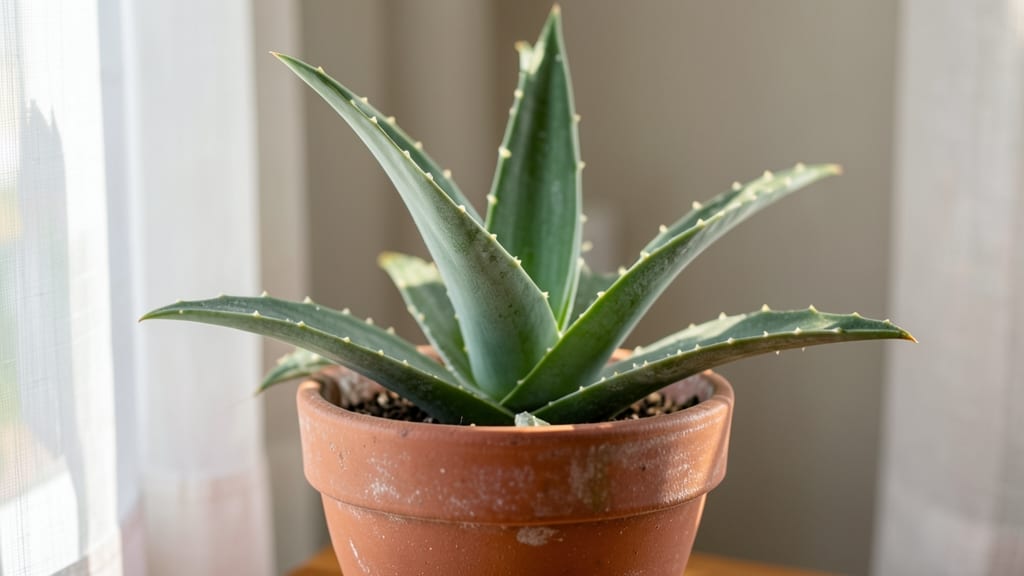
To keep your 🌱 aloe plant thriving, you might be surprised to learn that how much light does an aloe plant need is a delicate balance—too much or too little can both harm it.
This hardy succulent needs bright light—but finding that sweet spot between sunburn and leggy growth is key to unlocking its full potential.
Most aloe plants crave 4 to 6 hours of direct sunlight daily, though they can tolerate partial shade if the light is still intense. The trick lies in balancing their love for warmth with protection from harsh afternoon rays, especially in hotter climates like USDA Zone 6a.
If your aloe starts stretching toward the light or developing pale, weak leaves, it’s begging for more brightness. On the flip side, crispy brown edges or sunken patches mean it’s getting too much—like a succulent sunburn.
I’ll show you exactly how to position your aloe for healthy growth, whether it’s basking near a south-facing window or thriving outdoors with the right adjustments. Let’s get those leaves plump and happy!


Ideal light requirements for aloe vera growth and health
Aloe vera thrives in bright light conditions, but finding the perfect balance is key. Too little light causes etiolation—those telltale stretched, pale leaves—while too much direct sun can scorch delicate foliage.
As a succulent, aloe vera has adapted to arid environments, so it craves sunlight but needs protection from intense midday rays. Understanding these nuances will help you create the ideal growing conditions for a healthy, vibrant aloe plant.
For juvenile aloe plants, start with 3-4 hours of bright indirect light per day. This gradual exposure helps prevent shock while encouraging sturdy growth.
Mature plants, on the other hand, can handle 6-8 hours of sunlight daily, though they may appreciate a few hours of shade during peak afternoon heat. The goal is to mimic their natural habitat—sunny desert climates—without replicating the extreme heat.
Here’s how to visualize the perfect light setup for your aloe:
| Growth Stage | Light Type | Daily Duration | Signs of Correct Light |
|---|---|---|---|
| Juvenile (0-2 years) | Bright indirect light | 3-4 hours | Thick, green leaves; compact growth |
| Mature (2+ years) | Direct + indirect mix | 6-8 hours | Deep green, fleshy leaves; upright rosette |
| Seasonal Adjustment | Bright indirect light | 4-6 hours (winter) | Slower growth; no leaf discoloration |
| High-Intensity Light | Direct sun (morning/evening) | 2-4 hours max | Sunburned leaf tips (avoid) |
Seasonal changes require adjustments to your aloe’s light exposure. During summer months, when sunlight is most intense, move your plant to a spot with dappled shade for part of the day.
A sheer curtain or a sheer screen can diffuse harsh rays while still allowing plenty of light to reach the leaves. In winter, when natural light is scarce, supplement with a grow light for 4-6 hours daily to maintain healthy growth patterns.
Watch for visual cues that indicate your aloe isn’t getting enough light. Etiolation is the most common sign—leaves stretch toward the light source, becoming thin and pale. This weakens the plant’s structure and makes it more susceptible to pests.
On the flip side, overlighting manifests as brown or crispy leaf tips, especially along the edges. These areas are the first to show signs of sunburn, a clear indicator that your aloe is getting too much direct sunlight.
Positioning your aloe near a south-facing window is ideal for most indoor setups. This orientation provides the longest exposure to sunlight without the risk of afternoon heat buildup. If your home lacks south-facing windows, an east-facing window is the next best option, offering gentle morning light that gradually intensifies.
West-facing windows can work too, but be prepared to shield your plant from the harsh afternoon sun to prevent damage.
For outdoor aloe plants, partial shade is often the best compromise. Place your aloe in a location where it receives morning sun and afternoon shade, such as under a patio cover or near a building with a shaded side.
This setup mimics the natural protection aloe vera finds in its native habitat, where it often grows in rocky crevices that provide some relief from the midday heat. Always ensure the soil is well-draining to prevent root rot, especially when combined with bright light conditions.
If you notice your aloe’s leaves developing a reddish tint, it’s likely a sign of too much direct sunlight. While some aloe varieties naturally develop red hues with age, sudden color changes usually indicate stress.
Gradually move your plant to a slightly shadier spot and monitor its progress over the next few weeks. Conversely, if leaves turn yellow or brown and feel mushy, it could signal overwatering combined with insufficient light, which weakens the plant’s natural defenses.
Rotating your aloe plant quarter-turns every 2-4 weeks ensures even growth and prevents it from leaning toward the light source. This simple habit helps maintain a symmetrical, compact shape while exposing all sides of the plant to balanced light conditions.
Pair this with regular checks for pests—underlit aloe plants are more vulnerable to infestations like mealybugs and spider mites, which thrive in weak, stressed foliage.
With the right light balance, your aloe vera will reward you with thick, plump leaves and a sturdy, upright rosette. Remember, aloe vera is a resilient plant, and minor adjustments to its light exposure can make a world of difference in its overall health and vitality.
Experiment with different placements and observe how your plant responds—this hands-on approach will help you fine-tune the perfect growing conditions tailored to your aloe’s unique needs. 🌱
How to adjust your aloe plant’s light exposure for maximum growth
Aloe plants thrive with bright, indirect sunlight but can handle some direct sun—though too much can scorch their leaves. The key is finding the right balance, especially indoors where natural light varies by season.
If your aloe is stretching toward the window or losing color, it’s likely not getting enough light. Conversely, crispy brown edges mean it’s getting too much. Let’s fix that!
Start by placing your aloe near a south-facing window for the most consistent light exposure. If your windows face east or west, rotate the pot every few days to ensure even growth.
This prevents one side from becoming leggy while the other stays stunted. For high-intensity windows, like those facing south in hot climates, use sheer curtains to diffuse harsh afternoon rays.
⚠️ callout warning
Aloe plants need 4-6 hours of bright light daily—but intensity matters!
- Too little light: Leaves stretch (etiolation) and turn pale yellow.
- Too much light: Brown, crispy edges (sunburn) or bleached patches.
- Perfect balance: Thick, vibrant green leaves with no signs of stress.
During winter months, when natural light dims, supplement with a grow light bulb (6000K-6500K color temperature). Position it 6-12 inches above the plant for 12-14 hours daily. LED grow lights are energy-efficient and won’t overheat your aloe. Avoid incandescent bulbs—they emit too much heat and can damage the leaves.
If your aloe shows signs of etiolation (long, weak stems), move it to a brighter spot immediately. For severe cases, trim the leggy growth just above a healthy leaf node to encourage bushier regrowth.
Prune with clean, sharp scissors and let the cuttings dry for 24 hours before replanting in well-draining soil.
For outdoor aloe plants, transition them gradually to full sun during spring and summer. Start with morning sun only and gradually increase exposure over 2-3 weeks.
In USDA zones 8-11, aloe can thrive outdoors year-round, but bring potted plants indoors if nighttime temperatures drop below 50°F (10°C) to prevent cold damage.
Monitor your aloe’s response to light adjustments weekly. Healthy aloe leaves should be thick, upright, and a deep green. If you notice any changes, tweak the position or light source accordingly.
With the right light exposure, your aloe will reward you with bold, healthy growth for years to come! 🌿