
Plants
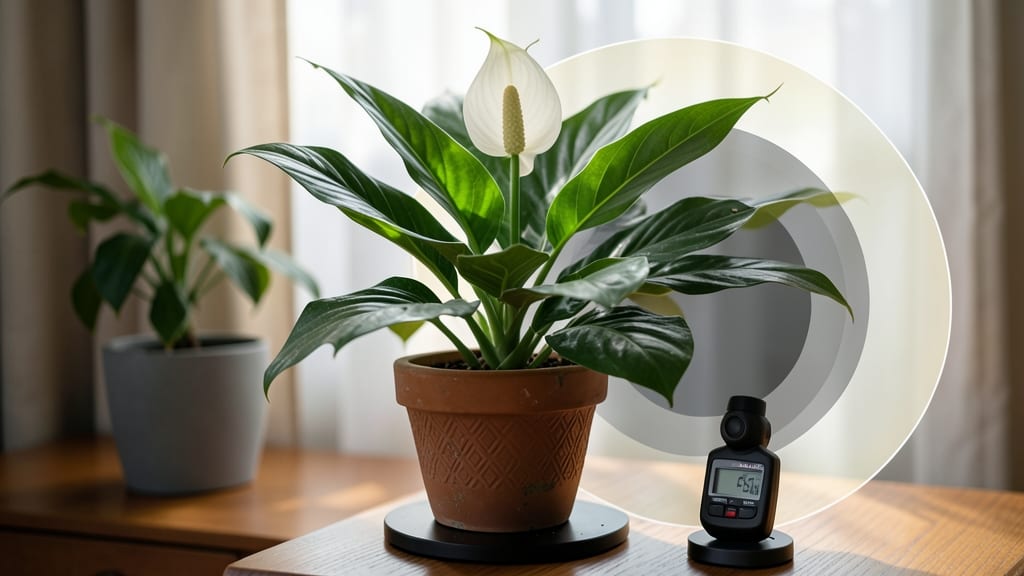
If your Peace Lily plant is struggling to thrive, chances are its light needs aren't being met—and the good news is, fixing this is simpler than you think.
Unlike high-maintenance plants, Peace Lilies are famously adaptable, but they still crave the right balance of brightness to keep those glossy leaves and occasional blooms looking their best.
The truth is, most people either overthink or underestimate how much light these tropical plants actually need. Too little, and you'll see droopy leaves or stunted growth.
Too much direct sun, and those delicate leaves can scorch. I've helped countless plant owners strike the perfect balance, and the results speak for themselves.
What you're about to discover isn't just theory—it's practical advice that works in real homes and offices. We'll cover everything from identifying the ideal bright indirect light spots to recognizing when your plant is begging for more (or less) sunlight.
With these simple adjustments, you'll watch your Peace Lily bounce back in just a few weeks.
Whether you're dealing with a dim corner office or a south-facing room with harsh afternoon rays, I'll show you exactly how to create the perfect growing conditions. Let's get your Peace Lily thriving again—without the guesswork.


Peace lily light requirements: ideal brightness levels for healthy growth
If you’ve ever watched your peace lily (Spathiphyllum) struggle with yellowing leaves or drooping foliage, light exposure is likely the culprit. This tropical beauty thrives in conditions that mimic its understory habitat—where dappled sunlight filters through dense canopies.
Unlike sun-loving plants, peace lilies prefer bright indirect light, making them perfect for low-light offices or north-facing windows. But how do you strike the right balance? Let’s break it down.
The key to a healthy peace lily lies in understanding its light tolerance spectrum. While it can survive in low-light conditions, growth slows, and blooming becomes rare. Conversely, direct sunlight causes leaf scorch and crispy edges. Think of it like Goldilocks—you need the light to be "just right."
Most gardeners overcompensate by placing their plants in west-facing windows, where intense afternoon sun becomes a silent killer. Instead, aim for 1,000–2,000 foot-candles of light—about the brightness of a shaded office desk.
| Light Condition | Ideal Placement | Signs of Correct Light | Signs of Over/Under-Exposure |
|---|---|---|---|
| Bright Indirect Light | 2–3 ft from east/west window or 4–5 ft from south window | Dark green leaves, occasional blooms, upright stems | None (ideal range) |
| Low Light (<1,000 ft-candles) | Corner rooms, north-facing windows, or 6+ ft from any window | Slow growth, pale green leaves, no flowers | Leggy stems, sparse foliage, yellowing lower leaves |
| Direct Sunlight | South/west windows without filters, outdoor summer exposure | None (toxic conditions) | Brown crispy edges, bleached patches, wilting |
| Artificial Grow Lights | 12–14 inches under LED grow bulbs (6,500K color temp) | Uniform growth, dark green leaves, blooms with proper care | Stretched growth (too far), leaf burn (too close) |
The science behind your peace lily’s light needs traces back to its tropical origins. Native to the understory forests of Southeast Asia, this plant evolved to thrive where sunlight is diffused by canopy leaves.
Its large, waxy leaves are adapted to maximize light absorption in low-light conditions, but they’re not equipped to handle the intense UV rays of direct sun.
When you see brown tips or yellow patches, it’s your plant’s way of screaming, "Too much sun!"—a clear sign to move it away from the window or add a sheer curtain.
Seasonal adjustments are crucial, especially if you’re placing your peace lily near windows that face different directions. In summer months, when sunlight is most intense, even an east-facing window can become too harsh by midday.
Rotate your plant quarter-turns every 2–3 weeks to ensure even growth, and watch for sunburn symptoms on leaves exposed to the glass. Conversely, winter light is weaker, so supplement with a 12-hour photoperiod using a simple LED bulb if you notice stunted growth or drooping leaves.
One of the most common mistakes I see is assuming that any window will do. A south-facing window, for example, delivers 3x the light intensity of a north-facing one.
If your peace lily is positioned too close, the results can be disastrous—bleached leaves or leaf curl are classic signs of light stress. To test your plant’s light exposure, use a light meter app (many are free) or perform the "shadow test": Hold your hand near the plant.
If you can’t see your shadow clearly, the light is likely too indirect.
For indoor gardeners without ideal natural light, grow lights are a game-changer. A full-spectrum LED bulb (like those designed for houseplants) placed 12–18 inches above your peace lily can mimic bright indirect light perfectly.
Run the light for 12–14 hours daily and adjust the height based on leaf response: if leaves stretch toward the light, it’s too far away; if they yellow or crisp, it’s too close.
Pro tip: Pair grow lights with a timer to automate the process and keep your plant on a consistent schedule.
Outdoor placement is a tricky topic, but peace lilies can tolerate brief outdoor exposure during <
How to adjust your peace lily’s light exposure for maximum growth
Peace lilies are famously adaptable, but even they need the right light balance to thrive. Too little light causes leggy growth, while too much can scorch those lush dark green leaves.
The key is finding that sweet spot—bright indirect light—and making small adjustments when your home’s lighting changes with the seasons.
Start by identifying your plant’s current light conditions. If it’s near a south-facing window, the harsh midday sun can damage leaves. Conversely, a dim corner might leave it stretching toward nonexistent light.
Small tweaks—like rotating the pot or adding sheer curtains—can make all the difference in keeping your peace lily happy.
⚠️ Warning: How Much Light Does a Peace Lily Plant Need?
Peace lilies thrive in 2-4 hours of bright indirect light daily. Too little (under 2 hours) causes yellowing leaves and stunted growth, while direct sunlight burns leaves and bleaches foliage. North-facing windows are ideal, but east or west work too—just add a sheer curtain to diffuse harsh rays.
Signs of stress:
- 🟡 Yellow leaves = Too much light or overwatering
- 🌱 Leggy stems = Not enough light
- 🔥 Brown leaf tips = Direct sun exposure
If your peace lily is in a low-light room, try rotating it quarter-turns weekly to ensure even growth. This prevents the plant from leaning toward the nearest light source, which creates an unsightly lopsided shape.
For rooms with harsh afternoon sun, hang a light-colored sheer curtain to filter the brightness while still allowing plenty of light through.
For dark basements or windowless offices, supplement natural light with a LED grow light. Place it 6-12 inches above the plant and use it for 12-14 hours daily.
Look for full-spectrum bulbs (around 6500K color temperature) to mimic natural sunlight. This mimics the tropical understory where peace lilies naturally grow.
Yellowing leaves are often a light-related issue, but they can also signal overwatering. Check the soil first—if it’s soggy, let it dry slightly before adjusting light. If the soil is dry but leaves are still yellowing, move the plant to a brighter spot (but avoid direct sun).
For drooping stems, it’s usually a sign of underwatering, but low light can also weaken the plant’s structure.
Seasonal changes matter too. In winter, when days are shorter, your peace lily may need a grow light boost to maintain its energy. Conversely, in summer, watch for longer daylight hours and adjust curtains or move the plant slightly away from windows to prevent leaf scorch.
With these small adjustments, your peace lily will reward you with glossy, vibrant leaves and even more frequent blooms.