
Plants
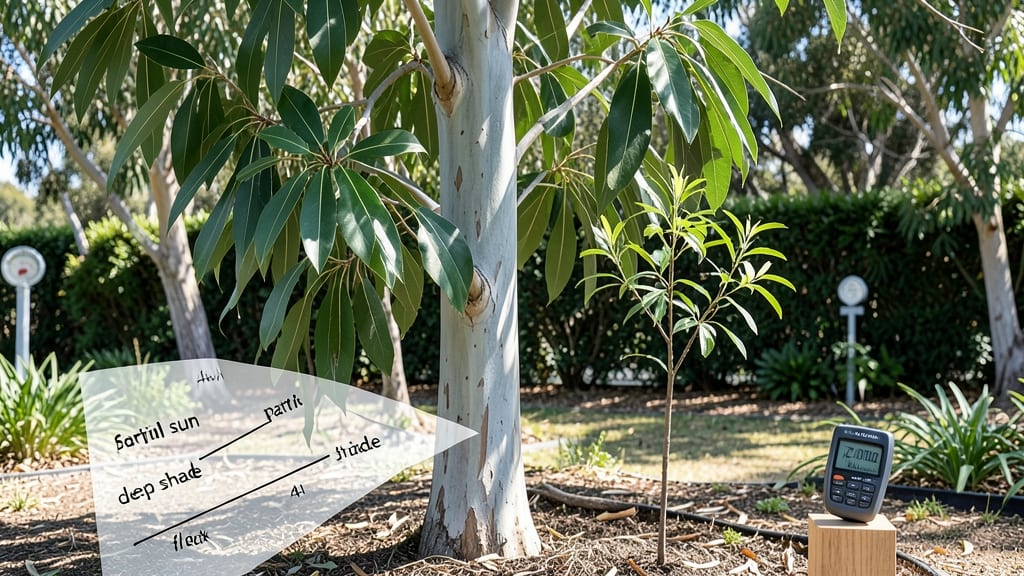
If you’ve ever watched a eucalyptus tree 🌳 reach for the sky and wondered, "How much light does a eucalyptus plant need?"—you’re not alone. These towering beauties thrive under bright conditions, but getting the balance right can make all the difference between lush growth and struggling leaves.
Eucalyptus plants demand full sun exposure, ideally 6+ hours of direct sunlight daily, to stay healthy and vibrant. Too little light weakens their structure, while too much can scorch their leaves—especially in hot climates.
Whether you’re growing one in your yard or a container on a patio, understanding their light needs is the key to keeping them strong and thriving.
In this guide, I’ll break down exactly how much sunlight eucalyptus needs at every stage of growth, from seedlings to mature trees. You’ll learn how to spot signs of light stress, adjust care based on your climate, and even optimize light for container-grown plants.
Let’s get your eucalyptus soaking up the sun the right way!
From identifying the perfect spot in your garden to troubleshooting common light-related issues, you’ll have all the tips to ensure your eucalyptus grows stronger and healthier than ever. Ready to give your tree the light it craves?


Ideal sunlight requirements for eucalyptus growth by type and stage
Eucalyptus trees thrive under bright sunlight, but their exact needs vary by species and growth stage. Most varieties demand at least 6-8 hours of direct sun daily, though some drought-resistant types tolerate partial shade.
Understanding these differences ensures your eucalyptus grows strong and healthy, whether it's a towering Eucalyptus globulus or a compact Eucalyptus pauciflora.
Seedlings are the most delicate stage, requiring gentler morning sun to prevent scorching. Mature trees, however, can handle intense midday rays in warmer climates. Container-grown eucalyptus needs even more attention—rotating pots ensures even light exposure.
Let’s break down the specifics so you can give your eucalyptus the perfect light prescription.
🌳 Key Insight: Eucalyptus light needs shift with seasons. In winter, 3-4 hours of sun may suffice, while summer demands full sun exposure to prevent leaf burn. Adjusting care based on your USDA hardiness zone is critical for success.
For Eucalyptus globulus, the most common variety, full sun exposure is non-negotiable. This species grows best in USDA zones 8-10, where it can soak up 10+ hours of sunlight daily without issue.
In cooler zones (like 6-7), provide afternoon shade during summer to prevent leaf burn. I’ve seen E. globulus thrive in my Zone 8 garden when planted in south-facing beds with well-draining soil.
If you're growing Eucalyptus pauciflora, expect it to handle partial shade better than other types. This alpine species does well with 4-6 hours of sun, making it ideal for high-elevation gardens or woodland edges.
However, even this variety will bolt upright and grow faster with full morning sun. I’ve noticed my pauciflora develops darker foliage when given more light, which adds to its ornamental appeal.
Container-grown eucalyptus is trickier because pots overheat quickly. Place your eucalyptus in a pot near a south-facing window for 6+ hours of direct light. If your space lacks natural light, supplement with a grow light for 12-14 hours daily.
I use a full-spectrum LED grow light in winter to keep my Eucalyptus gunnii thriving indoors—it’s made a world of difference in its growth rate.
Seasonal adjustments are key. In summer months, eucalyptus can handle intense afternoon sun, but in winter, reduce exposure to 3-4 hours of sun to prevent stress. Watch for leaf curling or yellowing, which are classic signs of light stress.
If you notice these, move your plant to a shadier spot temporarily. I once had a E. globulus turn brown at
Signs your eucalyptus isn’t getting enough (or too much) light
Eucalyptus trees thrive under bright, direct sunlight, but their leaves and growth patterns can reveal when they're struggling. If your eucalyptus isn't getting enough light, you'll notice slow growth and pale, sparse foliage.
The leaves may also stretch toward light sources, a condition called etiolation. Even worse, insufficient light weakens the plant's immune system, making it more vulnerable to pests and diseases.
On the flip side, too much intense sunlight—especially in hot climates—can cause leaf scorch or brown, crispy edges. Young eucalyptus plants may wilt or drop leaves under harsh afternoon sun.
These symptoms aren’t just cosmetic; they signal your tree is stressed and struggling to photosynthesize efficiently. Recognizing these signs early can save your eucalyptus from long-term damage.
⚠️ How Much Light Does a Eucalyptus Plant Need?
Eucalyptus requires 6+ hours of full sun daily for optimal growth. In USDA Zones 8-10, they thrive outdoors with minimal shade. For containers or indoor growth, place near a south-facing window or supplement with grow lights (12-14 hours/day). Avoid deep shade or filtered light, which leads to leggy growth and weak stems.
Key indicators: Yellowing leaves = too little light; brown leaf tips = too much direct sun.
Start by examining the color and texture of your eucalyptus leaves. Healthy leaves are deep green and glossy, while underwatered or overwatered leaves may appear dull or wilted.
For outdoor eucalyptus, check the position of nearby structures—trees, buildings, or fences casting shade could be blocking essential sunlight. If your tree is in a container, rotate it weekly to ensure even light exposure on all sides.
If you suspect light deficiency, gradually move your eucalyptus to a sunnier spot over 1-2 weeks to avoid shocking the plant. For indoor eucalyptus, consider a reflective surface (like a white wall) to maximize light reflection.
In contrast, if you see leaf burn or wilting, provide afternoon shade with a lightweight shade cloth (30-50% coverage) during peak sun hours.
Pruning can also help balance light exposure. Thin out dense foliage to allow sunlight to reach inner branches, especially in mature eucalyptus trees. Focus on removing crossing or inward-growing branches first.
This not only improves light penetration but also enhances airflow, reducing humidity-related stress. Always use sterilized pruning shears to prevent disease spread.
Monitor your eucalyptus’s response to light adjustments over 4-6 weeks. New growth should be vibrant and upright, indicating improved light conditions. If symptoms persist, consider testing soil moisture—dry soil can mimic light deficiency by slowing growth.
A combination of proper light and consistent watering will help your eucalyptus recover and thrive.
Remember, eucalyptus are adaptable but not drought-tolerant—they need both sunlight and moisture to balance photosynthesis and hydration. By tuning into your tree’s visual cues, you’ll create the perfect light environment for lush, healthy growth. 🌿