
Plants
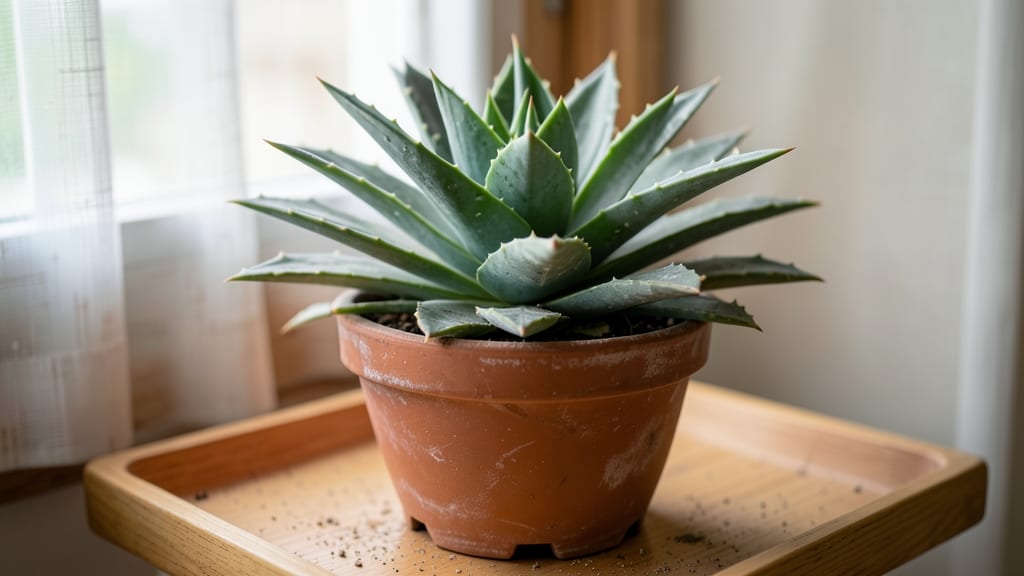
If your 🌵 aloe plant is looking sad—stretched, yellowing, or crispy—you might be getting how much light does an aloe plant need all wrong.
The truth is, aloe thrives in bright indirect sunlight, but too much direct sun or too little light can turn your plant into a science experiment gone wrong.
Most people assume aloe loves scorching desert heat, but the reality is more nuanced. Your plant needs 6+ hours of bright, filtered light daily, whether indoors near a south-facing window or outdoors in partial shade. Too little light weakens its growth, while too much can scorch those beautiful leaves.
Don’t worry—fixing it is easier than you think. I’ll break down exactly how to spot light issues, adjust your plant’s placement, and even use artificial lighting if natural light falls short. Let’s get your aloe back to its happy, healthy self in no time.
Whether you’re a beginner or a seasoned plant parent, these tips will help you create the perfect light conditions for your 🌵 aloe. Ready to see your plant flourish again?


Ideal light requirements for aloe vera: bright indirect sun explained
Aloe vera thrives on bright indirect sunlight for 6 to 8 hours daily, but direct midday sun can scorch its delicate leaves. Understanding this balance is key to keeping your plant healthy and vibrant. Too little light weakens growth, while too much causes irreversible damage.
Outdoor aloe plants love south-facing locations with morning sun and afternoon shade. Indoor plants, however, need careful placement near east or west-facing windows where sunlight is gentler. Seasonal adjustments are crucial—summer heat demands extra shade, while winter may require supplemental light.
Here’s a quick breakdown of your aloe’s light needs:
| Light Type | Daily Duration | Best For | Seasonal Adjustments |
|---|---|---|---|
| Bright Indirect Sun | 6–8 hours | Indoor plants, morning sun | Use sheer curtains in summer |
| Direct Sun (Morning) | 3–4 hours | Outdoor pots, south-facing | Move to shade after 10 AM |
| Partial Shade | 4–6 hours | Low-light rooms, winter | Add grow lights for 12 hours/day |
If your aloe gets less than 4 hours of light daily, its leaves will stretch toward the source—a condition called etiolation. This weakens the plant and makes it prone to pests. Rotate your pot weekly to ensure even growth and prevent lopsided development.
For outdoor aloe plants, afternoon sun (1 PM–5 PM) is the riskiest. Leaves exposed to intense rays develop brown, crispy patches or white scars. To protect your plant, place it under a 50% shade cloth or move it to a spot with dappled sunlight during peak heat.
Indoor aloe plants near west-facing windows get harsh afternoon sun, while east-facing windows provide gentler morning light. If your windowsill is too hot, place a terracotta pot on a plant stand to create distance from the glass. Terracotta absorbs excess heat, keeping roots cool.
In winter, when daylight shrinks, supplement natural light with a full-spectrum LED grow light placed 6–12 inches above the plant. Run it for 12–14 hours daily to mimic summer conditions. Avoid incandescent bulbs—they emit too much heat and can burn leaves.
Watch for yellowing leaves or reddish hues, which signal light stress. Yellowing often means too much water in low light, while red tips indicate direct sun exposure. Adjust your plant’s position immediately to prevent further damage.
Pro tip: Test your aloe’s light spot by holding a white piece of paper near the plant. If the shadow is sharp and dark, it’s direct sun. If it’s soft and fuzzy, it’s indirect—perfect for aloe vera. This simple trick helps you fine-tune placement without guesswork.
With the right light balance, your aloe vera will reward you with thick, plump leaves and even occasional yellow blooms. Start by placing it in the brightest spot you can find, then tweak as needed. Your plant’s health depends on it! 🌿
Signs your aloe isn’t getting enough (or too much) light
Aloe plants are famously resilient, but even they struggle when light conditions are off.
If your aloe vera is showing signs of distress, it’s often a light-related issue. Yellowing leaves, brown tips, or stretched growth can all signal your plant is either starving for sunlight or getting scorched by too much.
The key is finding that sweet spot—bright indirect light for 6+ hours daily.
Let’s diagnose your aloe’s light needs. Start by observing its leaf color and growth pattern. Pale, thin leaves? It’s likely light-deprived. Crispy, brown edges? Overexposure is the culprit. Each symptom tells a different story, and I’ll walk you through how to fix them—without guessing.
⚠️ How Much Light Does an Aloe Plant Need?
Aloe vera thrives in bright indirect light with 6-8 hours of sunlight daily. Direct sun can scorch leaves, while low light causes stretched, weak growth. For indoor plants, a south-facing window is ideal. Outdoor aloes need morning sun + afternoon shade in hot climates.
🌱 Pro Tip: Rotate your aloe quarterly to ensure even light exposure.
One of the most common signs of underlighted aloe is etiolation, where leaves stretch unnaturally toward the light source. This weakens the plant and makes it more prone to pests and disease.
If you notice your aloe’s leaves are longer than usual and thinner at the base, it’s begging for more light. Move it closer to a sunny window or consider a grow light if natural light is limited.
On the flip side, too much direct sunlight causes sunburn, visible as brown or white patches on leaves. These spots start as dull, dry areas and worsen over time.
If your aloe is outdoors, provide afternoon shade during peak summer hours. For indoor plants, avoid placing them in west-facing windows where afternoon sun can be intense.
Another red flag is yellowing at the leaf tips. While this can sometimes indicate overwatering, it’s often a light deficiency symptom combined with low humidity. To troubleshoot, check your aloe’s soil moisture—if it’s dry, water lightly.
Then, adjust its light exposure. If the yellowing persists, the issue is likely insufficient light, and you’ll need to relocate your plant.
For a quick fix, try this two-step diagnostic approach:
- Observe your aloe’s growth pattern and leaf color for 3-5 days.
- Adjust its location: Move closer to light if leaves are pale/stretched, or provide shade if leaves are crispy/brown.
Consistency is key—aloes adapt slowly to changes, so give it 2-3 weeks to show improvement.
Remember, healthy aloe leaves are thick, vibrant green, and grow upright. If yours look anything less, it’s time to reassess its light environment. With the right adjustments, your aloe will bounce back faster than you think! 🌿