
Plants
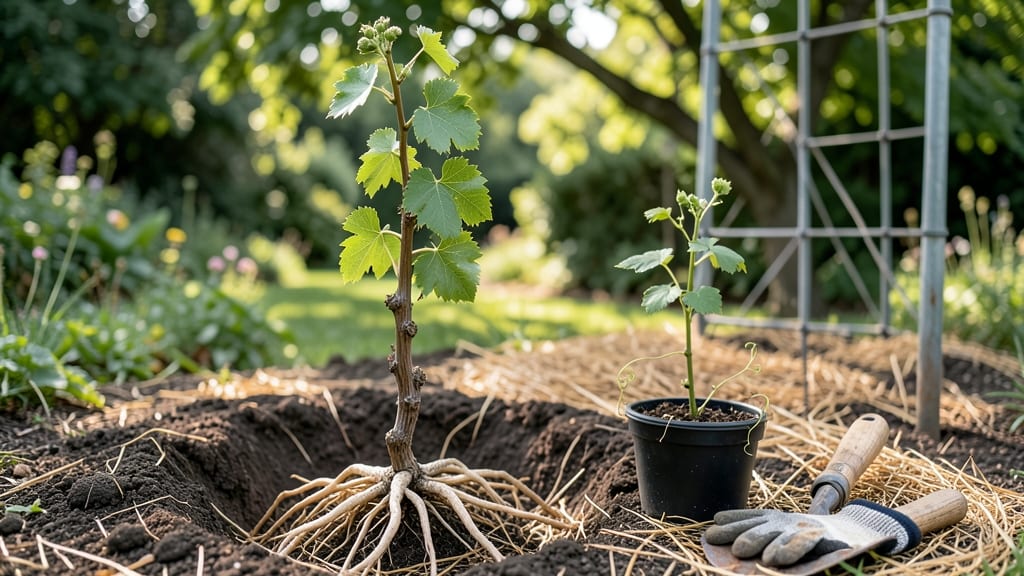
Planting grape vines in Georgia at the wrong time can mean the difference between a thriving 🍇 harvest and struggling vines that never quite recover.
The key to success lies in understanding your local climate—especially in zones 7b-8b—where timing must align with soil warmth, frost risks, and Georgia’s unpredictable spring showers.
Most gardeners in Georgia know the general rule: late winter to early spring is ideal, but without precise timing, you risk transplant shock or weak root development.
I’ve learned the hard way that planting too early exposes young vines to late frost, while waiting too long can leave them struggling in summer heat. Let’s break down the perfect window for your region and how to prepare your soil for maximum success.
Whether you’re working with bare-root vines or potted plants, the right approach depends on your microclimate—North Georgia’s cooler springs versus South Georgia’s earlier warm-up. You’ll also discover why March is the sweet spot for most growers, plus how to protect your investment from Georgia’s infamous humidity and heat waves.
Ready to set your grape vines up for a bountiful harvest? I’ll walk you through everything from soil prep to post-planting care, so you can avoid common mistakes and enjoy sweet, homegrown grapes by late summer. Let’s get those roots established the right way.
Best planting months for grape vines in Georgia’s climate zones
Georgia’s USDA hardiness zones 7a-8b create perfect conditions for grape vines, but timing your planting correctly is critical for survival. The ideal window varies slightly between northern and southern Georgia due to frost risks and soil temperature thresholds.
Planting too early exposes vines to late frosts, while waiting too long risks transplant shock before summer heat sets in.
For best results, aim to plant grape vines when soil temperatures reach 60°F (15°C) and remain stable. This typically occurs in late February to early March in southern Georgia (zones 8a-8b) and mid-March to early April in northern Georgia (zones 7a-7b).
These windows align with dormancy periods ending and last frost dates passing.
Bareroot vines (common in Georgia) can also be planted in late winter (January-February) when they’re dormant, but this requires extra soil protection from late frosts. Potted vines offer more flexibility and can be planted through May, though summer planting increases watering demands and pest risks.
| USDA Zone | Best Planting Window | Soil Temp Threshold | Frost Risk | Key Consideration |
|---|---|---|---|---|
| 7a (North GA) | Mid-March to early April | 60°F (15°C) | High (last frost ~March 15) | Use frost blankets for bareroot vines |
| 7b (North GA) | Late February to March | 60°F (15°C) | Moderate (last frost ~March 1) | Potted vines preferred for flexibility |
| 8a (South GA) | Late February to early March | 60°F (15°C) | Low (last frost ~February 15) | Bareroot or potted both work well |
| 8b (South GA) | January to early March | 55°F (13°C) | Minimal (last frost ~January 31) | Early planting reduces summer stress |
In northern Georgia (zones 7a-7b), the last average frost typically occurs around March 15, making early March the safest planting time. For muscadine varieties (common in Georgia), this window ensures strong root establishment before summer heat arrives.
If you plant in February, monitor weather forecasts and have frost cloth ready.
Southern Georgia (zones 8a-8b) enjoys earlier soil warming, allowing grape vines to be planted as early as January in zone 8b. However, planting before soil reaches 55°F (13°C) can stunt root growth. Potted vines are ideal here because they adapt faster to Georgia’s humid subtropical climate and require less soil prep.
Avoid planting grape vines in summer (June-August) unless using container growing, as Georgia’s high humidity and intense heat create transplant shock. If you must plant late, choose shade-tolerant varieties like Scuppernong and provide drip irrigation to maintain consistent moisture.
For best fruit production, align planting with Georgia’s natural rainfall patterns. Spring planting (March-April) coincides with increased rainfall, reducing initial watering demands. However, mulch heavily (3-4 inches) to retain moisture and suppress weeds, which compete for nutrients in Georgia’s rich, clay-heavy soils.
Pro tip: Test your soil’s pH (6.0-6.5 ideal) before planting. Georgia’s native soils often need lime amendments or sulfur to optimize grape vine health. Amend with compost too—this improves drainage and microbe activity, crucial for root development in Georgia’s humid conditions.
Remember, dormant bareroot vines planted in late winter establish roots faster than potted
How to time grape vine planting for Georgia’s rainy season and heat waves
Georgia’s spring brings heavy rainfall and summer delivers scorching heat, both of which can stress young grape vines if you’re not prepared. Planting at the wrong time risks transplant shock or stunted growth, so timing your vines right is critical.
The key is to establish roots before summer’s intensity hits while avoiding soggy soil from spring’s downpours.
For muscadine grapes (Georgia’s native favorite) and other varieties, aim for planting between mid-March and early April. This window gives roots time to anchor before summer’s peak heat arrives. However, if you’re using potted vines, you can extend planting to late April with extra care.
⚠️ callout warning ⚠️
⚠️ Critical Timing Mistakes to Avoid
Planting too early (before last frost) risks frost damage to tender shoots. Planting too late (after May 1) exposes vines to summer heat stress before roots establish. Georgia’s unpredictable spring rains can drown shallow roots, so prioritize well-draining soil and raised beds if needed.
To protect your vines from spring’s excess moisture, use 3-4 inches of mulch (straw or wood chips) around the base. This prevents soil compaction and reduces fungal diseases like powdery mildew, which thrives in Georgia’s humidity. Keep mulch 6 inches away from the vine’s trunk to avoid rot.
Once vines are planted, monitor irrigation schedules closely. Water deeply once weekly in spring, then shift to bi-weekly deep watering in summer. Use drip irrigation to keep foliage dry and prevent fungal issues. Early morning watering (before 8 AM) minimizes evaporation and disease risk.
For summer heat protection, provide temporary shade using shade cloth (30-50%) during the hottest months (June-August). Focus on young vines or those in full afternoon sun. Remove shade cloth by mid-September to allow vines to harden off before fall.
Aftercare matters just as much as timing. Prune new growth to 12-18 inches in early summer to redirect energy to root development. Apply a balanced fertilizer (10-10-10) in late May to support growth without overfeeding, which weakens vines before winter.