
Plants
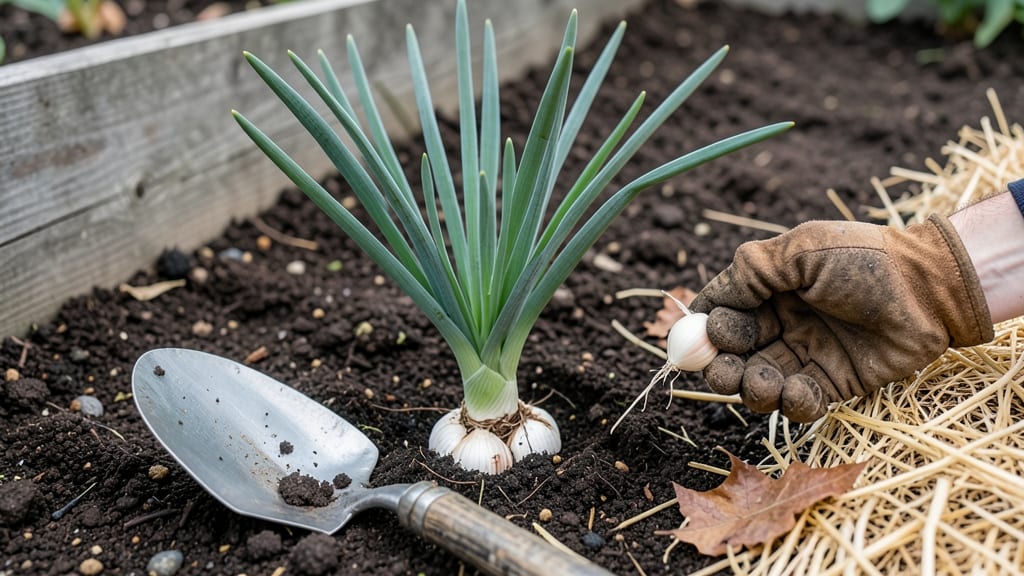
Planting garlic in the spring might seem tricky, but timing it right can mean the difference between a bountiful harvest and a wasted effort.
Unlike fall planting, spring garlic thrives when planted 4-6 weeks before your last frost date, giving it time to establish roots before summer heat sets in.
In USDA Zone 6a, where many gardeners grow their 🧄, that window typically opens in early March—just as the soil warms but before temperatures climb too high. If you miss this timing, your bulbs may struggle to mature fully, leaving you with smaller, less flavorful harvests.
This guide breaks down exactly when to plant garlic in your region, including how to adjust for late frosts or early springs. You’ll also learn how to prep your soil for success and spot the perfect signs that your cloves are ready to go in the ground.
Whether you're a seasoned gardener or just starting out, getting this step right sets the stage for plump, flavorful bulbs all season long. Let’s get your garlic growing on the right schedule!
Spring garlic planting dates by USDA hardiness Zones (with frost risk guide)
Spring garlic planting might seem tricky, but timing it right ensures bold, flavorful bulbs instead of stunted growth. Unlike fall planting, spring garlic thrives when soil warms to 40°F (4°C)—but frost can still sneak in. Here’s how to nail your zone’s frost-free window for planting.
Most gardeners plant garlic in fall for a summer harvest, but spring planting works too—especially in warmer climates (Zones 7-10). The key? Avoid late frosts by calculating your last-frost date using NOAA’s frost calendar or local weather stations.
For example, in Zone 5, plant by March 15 to avoid frost damage, while Zone 9 gardeners can wait until February 1. Below, I’ll break down exact planting windows by zone, plus how to adjust if your spring runs late.
🌱
| USDA Zone | Last Frost Date | Spring Planting Window | Soil Temp for Planting | Frost Risk |
|---|---|---|---|---|
| Zones 3-4 | Mid-April to May 1 | April 1 - April 15 | 40-45°F (4-7°C) | High (late frosts common) |
| Zones 5-6 | Mid-April to April 30 | March 15 - April 1 | 40-45°F (4-7°C) | Moderate (check NOAA) |
| Zones 7-8 | Mid-March to April 15 | February 1 - March 1 | 45-50°F (7-10°C) | Low (rare frosts) |
| Zones 9-10 | January 1 - February 15 | January 1 - January 31 | 50-55°F (10-13°C) | Minimal (frost-free) |
If you’re unsure about your last-frost date, plug your ZIP code into the NOAA Climate Data Portal (link in resources) to find historical averages.
For example, Denver (Zone 5) averages its last frost on May 15, but planting garlic by April 1 gives it time to establish roots before summer heat.
For Southern gardeners (Zones 9-10), spring planting is ideal—just avoid midday heat, which stresses young cloves. Instead, plant in early morning or late afternoon and mulch with straw (3 inches deep) to retain moisture.
Pro tip: Pre-sprout cloves indoors 2 weeks before planting. Place them in a cool, dark spot (60°F/15°C) until roots emerge (about 1 inch long). This jumpstarts growth in colder zones.
🌡️
Garlic planted too late may still produce small bulbs, but don’t despair! Use accelerated growth techniques like drip irrigation and balanced fertilizer (10-10-10) to maximize size. For Zone 3-4 gardeners, consider Silverskin varieties, which tolerate colder soils better than Artichoke types.
Remember: Spring garlic matures 4-6 weeks faster than fall-planted garlic, so harvest by late June to early July. Cure bulbs in a dry, shady spot for 2 weeks before storing.
✂️
How to adjust planting time for late frosts or early springs (pro tips)
When spring surprises you with late frosts or arrives earlier than expected, your garlic planting schedule can easily get thrown off. The key is flexibility—using soil temperature tests and cold-hardy varieties to extend your planting window safely.
For example, 'Silverskin' garlic tolerates colder soils better than 'Artichoke' types, giving you a buffer of 2-3 weeks in unpredictable zones.
Start by checking your local frost dates from the NOAA website. If your last frost date shifts later than usual, prioritize hardneck varieties like 'German White' or 'Music,' which handle cool soils better.
These varieties can wait until mid-to-late spring (after your average last frost) without sacrificing bulb size, unlike softneck types.
Layering mulch strategically is another game-changer. Apply a 3-inch layer of straw or leaves over planted cloves to insulate them from unexpected late frosts. This method adds 4-6°F of protection and can buy you an extra week or two of planting time.
Just remember to remove mulch once soil warms to 50°F to prevent overheating.
🌱 Pro Tips for Adjusting Garlic Planting Time
- 1. Test soil temperature with a soil thermometer—plant when it reaches 40-50°F for hardneck varieties or 50-60°F for softnecks.
- 2. Choose cold-hardy varieties like 'Silverskin' or 'German White' for late-spring planting (they tolerate cooler soils).
- 3. Layer mulch (3 inches of straw) to protect cloves from late frosts—remove once soil warms to 50°F.
- 4. Plant deeper (2 inches) in loose soil to shield cloves from temperature fluctuations.
- 5. Use a 3-week prep checklist: test soil, amend with compost, and harden off cloves indoors before planting.
For a foolproof approach, follow this 3-week prep checklist before planting: test your soil’s moisture and temperature, amend with compost for better drainage, and harden off cloves by leaving them in a cool, shaded spot for 3-5 days.
This mimics outdoor conditions and reduces transplant shock. If you’re planting in early spring, opt for pre-sprouted cloves—soak them in water for 24 hours to kickstart growth before planting.
Timing isn’t just about the calendar—it’s about reading your microclimate. Observe nearby plants like winter wheat or barley, which signal soil readiness. If their shoots emerge, your garlic cloves are likely safe to plant.
In Zone 5 or colder, aim for late April to early May; in Zones 6-8, stretch your window to mid-May if frosts linger.
Remember, garlic planted in late spring may yield smaller bulbs but still produces edible scapes and flavorful leaves. If you miss the ideal window, don’t panic—just prioritize well-draining soil and consistent moisture to maximize what you can salvage. With these adjustments, you’ll turn unpredictability into opportunity.