
Plants
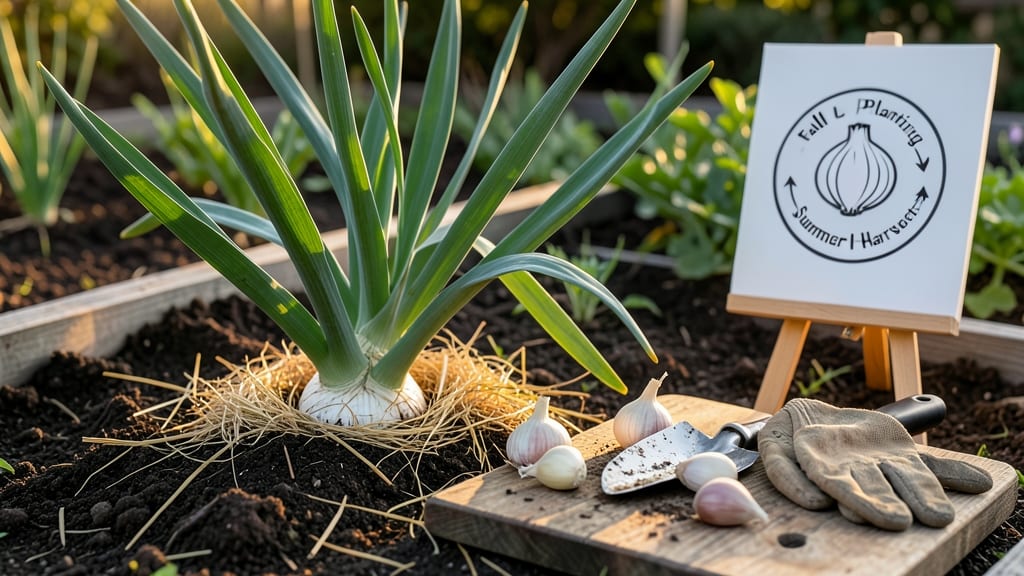
Planting garlic in Portland, Oregon, at the wrong time can turn your 🧄 dreams into disappointment—but getting the timing right guarantees plump, flavorful bulbs by next summer.
With USDA Zone 8a’s mild winters and unpredictable frost, knowing whether to plant in fall or spring makes all the difference for your harvest.
Most gardeners swear by fall planting between October and November, when soil temps dip into the 40-50°F range—a window that gives garlic roots time to establish before winter dormancy.
But spring planting can work too, if you’re willing to accept smaller yields or higher disease risks. Let’s break down the best strategies for Portland’s unique climate.
Whether you’re a first-time grower or a seasoned gardener, timing is the key to avoiding frost damage or stunted growth. I’ll walk you through the ideal planting schedule, soil prep tips, and even how to adjust for Portland’s microclimates—so you can confidently plant garlic that thrives year after year.
Ready to grow garlic that’s bigger, stronger, and ready to harvest by mid-July? Let’s dive into the exact steps to make it happen, from choosing the right variety to mastering the perfect planting window.
Optimal fall planting dates for garlic in Portland Oregon
Portland’s USDA Zone 8a climate gives you a 6-8 week window before winter sets in—critical for garlic success. The ideal time to plant is when soil temperatures drop to between 40-50°F, signaling your garlic to root before dormancy.
This typically falls between mid-October and early November, but Portland’s microclimates can shift this window by weeks.
In the Willamette Valley, where winters are milder, you might push planting to late November safely. Meanwhile, East Portland areas with cooler nights may need garlic in the ground by mid-October to avoid early frost damage.
Check your local last frost date (around November 15) and plant 4-6 weeks before to ensure roots establish.
Soil temperature is your best guide—use a soil thermometer to confirm readiness. Garlic won’t sprout until spring, but those roots need time to anchor before winter’s chill. If you’re unsure, err on the earlier side; garlic planted too late may not mature properly by harvest season.
Pro tip: Break garlic bulbs into individual cloves (keep the papery skin on) and plant the pointy end up, 2 inches deep, and 4-6 inches apart. This spacing prevents crowding and fungal issues. Mulch with straw or leaves after planting to insulate roots through winter’s fluctuations.
Here’s a quick reference for Portland’s fall planting timeline, accounting for microclimates:
| Microclimate | Ideal Planting Window | Soil Temp Threshold | Last-Chance Date | Frost Risk |
|---|---|---|---|---|
| Willamette Valley | Mid-October to early November | 45-50°F | November 10 | Low (mild winters) |
| East Portland | Mid-October to mid-November | 40-45°F | October 25 | Moderate (cooler nights) |
| Hills (e.g., West Hills) | Late September to early October | 40-45°F | October 15 | High (earlier frost) |
| Urban Heat Islands | Late October to early December | 45-50°F | December 1 | Low (warmer microclimate) |
If you miss the fall window, don’t panic—garlic can sometimes be planted in early spring, but yields may be smaller. For best results, stick to fall planting and use the 6-8 week rule before winter’s grip tightens.
Test your soil’s drainage and pH (6.0-7.0) before planting; amend with compost if needed.
Portland’s first frost typically arrives around March 15, but garlic planted correctly in fall will sprout in early spring and mature by mid-July. The key is giving roots time to establish before winter’s chill—don’t rush! Mark your calendar for October 15 as your last-chance date in most areas.
For extra insurance, choose hardneck varieties like ‘German White’ or ‘Music’, which thrive in Portland’s climate. Softneck types (like ‘Silverskin’) can also work but may need slightly earlier planting. Mulch heavily in December to protect bulbs from freezing soil.
Remember: Garlic planted in fall = bigger bulbs. Spring planting is a gamble unless you’re prepared for smaller harvests. With Portland’s variable weather, timing is your secret weapon for a bountiful garlic harvest next summer.
Spring planting garlic in Portland: risks and workarounds
While fall planting is ideal for garlic in Portland, spring planting can work under specific conditions. The key is adjusting for shorter growing seasons and higher disease risks. If you missed the fall window or want a second harvest, spring planting offers flexibility—but with trade-offs.
Spring-planted garlic typically yields smaller bulbs and may be more prone to fungal diseases due to wetter conditions. However, with the right soil prep and care adjustments, you can still grow edible garlic.
The window for spring planting in Portland is narrow: aim for late February to early March before the first frost risk returns.
To compensate for the shorter season, choose fast-maturing varieties like 'German White' or 'Silverskin'. These varieties tolerate cooler temperatures better and can still produce small but usable bulbs by mid-summer. Avoid hardneck varieties, which need more time to develop.
Spring Planting Garlic in Portland: Pros & Cons
Pros
- ✅ Second harvest if fall planting failed
- ✅ Smaller bulbs still usable for cooking
- ✅ Flexibility for late starters
Cons
- ❌ Smaller yields (30-50% less than fall)
- ❌ Higher disease risk (fungal issues common)
- ❌ Shorter growing season (bulbs less mature)
Prepare your soil by amending it with compost or aged manure to improve drainage and fertility. Garlic hates soggy soil, so raise beds if your garden retains moisture. Plant cloves 2 inches deep and 4 inches apart, spacing rows 8-12 inches apart to allow airflow and reduce fungal spread.
Monitor for white rot and rust, common in spring-planted garlic. Remove affected plants immediately and avoid overhead watering. Instead, use drip irrigation or soaker hoses to keep foliage dry. If disease appears, apply a copper fungicide as a preventive measure.
Harvest spring-planted garlic when the lower leaves turn brown and the bulb skins feel dry. Expect smaller bulbs (often 1-2 inches wide) compared to fall-planted garlic, which can reach 2-3 inches. Store them in a cool, dry place with good airflow to extend shelf life.