
Planting
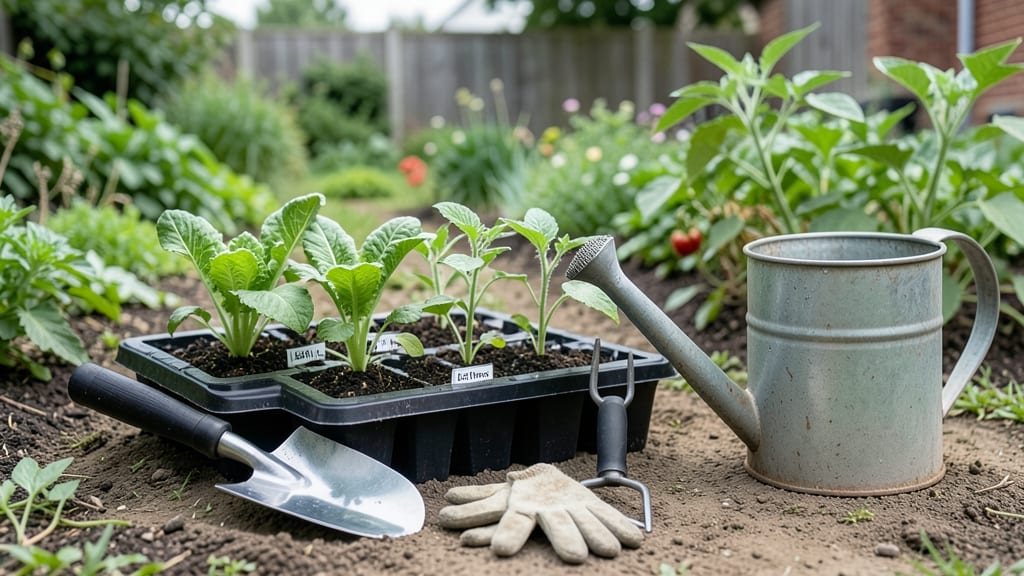
Planting your Zone 7 garden at the wrong time can turn your hard work into a sad pile of wilted leaves or bolting vegetables before they even mature. The key?
Understanding when to plant cold-hardy crops like peas and spinach versus heat-loving tomatoes and peppers—because getting it right means the difference between a thriving harvest and wasted effort.
In Zone 7, where last frosts typically hit between March 15–April 15, timing isn’t just about dates—it’s about soil temperature, microclimates, and whether you’re growing cool-season or warm-season plants.
Whether you’re a first-time gardener or a seasoned green thumb, knowing these nuances will help you avoid common mistakes like frost damage or plants that bolt too soon.
I’ll break down the exact planting windows for your Zone 7 garden—from early spring starts to fall harvests—so you can plan with confidence. You’ll learn how to adjust for local climate quirks, use frost calculators, and even extend your growing season with simple tricks.
Let’s get those seeds in the ground at the perfect moment!
Ready to transform your garden into a productive oasis? The right timing starts here, and I’ve got the step-by-step guide to make sure you never miss a beat. Let’s dive in!

Zone 7 planting calendar: last frost dates & seasonal breakdown
Timing your garden in Zone 7 starts with understanding your last frost date, which typically falls between March 15 and April 15. This window separates cold-hardy crops from heat-loving plants, ensuring you don’t waste seeds or risk frost damage.
My garden thrives when I align planting with these dates—especially for tomatoes and peppers, which need warm soil to germinate.
Zone 7’s first frost usually arrives around November 15, giving you a 200-day growing season. This means you can squeeze in two full harvests: one in spring and another in fall.
I’ve learned that planning for both seasons maximizes my garden’s potential, whether I’m growing broccoli in early spring or kale in late summer.
Here’s the key: Cold-hardy crops like spinach and peas can go in as early as February, while warm-season plants like cucumbers and eggplants need to wait until after your last frost.
Misjudging these timelines can lead to stunted growth or bolted greens. I always double-check my local frost dates using the USDA Plant Hardiness Zone Map to avoid surprises.
To make it easier, I’ve broken down the Zone 7 planting calendar into clear windows for vegetables, herbs, and flowers. This table covers what to plant when, so you can avoid common mistakes like planting tomatoes too early or lettuce too late in the season.
For early spring planting, focus on cool-season crops like spinach and peas. These can handle light frosts and even thrive in 30-40°F soil. I start seeds indoors in February to get a head start, then transplant them outdoors once the soil warms up.
This method gives me a jump on the season and ensures I don’t miss the window for broccoli or cauliflower, which bolt quickly if planted too late.
As spring transitions to summer, shift to warm-season plants like tomatoes and peppers. These need soil temperatures above 60°F to germinate properly. I test my soil with a soil thermometer to confirm it’s ready—waiting a few extra days is better than risking poor germination.
For cucumbers and squash, I also use black plastic mulch to warm the soil faster and deter weeds.
Don’t overlook fall planting, which is just as productive as spring. Kale and carrots sweeten after a light frost, making them perfect for October harvests. I aim to plant these 6-8 weeks before the first frost, giving them enough time to mature before winter sets in.
This strategy ensures I have fresh greens even when the weather turns chilly.
Herbs like basil and cilantro also fit into this schedule, but they have different needs. Basil thrives in summer heat but bolts in fall, while cilantro prefers cooler temperatures and can be planted in both spring and fall.
I’ve found that succession planting cilantro every 3 weeks keeps me supplied all season long.
Finally, always keep an eye on microclimates in your garden. A south-facing bed warms up faster than a shady corner, so I adjust planting times accordingly. For example, I might plant tomatoes in the warmest spot a week earlier than the rest of the garden.
Using row covers or cold frames can also extend your planting windows, giving you more flexibility.
With this Zone 7 planting calendar, you’ll avoid the guesswork and grow a garden that’s as productive as it is beautiful. Start with the cold-hardy crops, transition to warm-season plants, and finish with
Cold-hardy vs. warm-loving crops: what to plant when in Zone 7
Mastering Zone 7 planting means knowing which crops thrive in early spring's cool soil and which demand summer's warmth. Cold-hardy crops like kale and carrots can handle 32°F temps, while okra and basil wilt without 70°F+ soil.
The key? Timing transplants to match your microclimate—whether you're in a coastal area with delayed warmth or an inland zone that heats up faster.
For cold-hardy crops, aim to sow seeds 4-6 weeks before your last frost date (March 15-April 15 in Zone 7). These plants actually prefer cooler weather and can handle light frosts.
Meanwhile, warm-season crops need to wait until soil temps hit 60°F+—usually late April to early May—to avoid stunted growth or bolting.
Cold-Hardy Crops
Warm-Loving Crops
Pros:
- Plant early spring (Feb-Apr)
- Tolerate 32-40°F temps
- Fewer pests early in season
Cons:
- Risk of bolting if too warm
- Slower growth in hot weather
- Need 60°F+ soil to thrive
Examples:
- Kale
- Carrots
- Spinach
- Peas
- Broccoli
Examples:
- Okra
- Basil
- Cucumbers
- Tomatoes
- Peppers
Use row covers for 30-40°F protection
Wait for soil thermometer to read 60°F+
40-60°F ideal
60-80°F required
Plant August-Sept for cool-season harvest
Use heat-tolerant varieties or extend season
My Zone 7 garden thrives when I plant cold-hardy crops like carrots in early March under row covers, while waiting until mid-May for tomatoes.
For microclimate adjustments, I always check my soil temperature with a thermometer—warm-season crops won't germinate until the ground reaches 60°F, no matter what the air temperature says.
Don't forget about fall planting! Many cold-hardy crops can be sown again in late summer (August-September) for a second harvest before frost. For example, spinach and radishes planted in August often produce sweeter flavors after a light frost—just like their spring counterparts.
When in doubt, start seeds indoors 4-6 weeks before your last frost date for warm-season crops. This gives you a 2-week head start and ensures your tomatoes and peppers are ready to transplant when soil temperatures are perfect.
For cold-hardy crops, direct sowing is usually best—they germinate faster in cool soil and transplant shock is less of an issue.
Pro tip: Keep a garden journal to track your microclimate quirks. Note which warm-season crops thrive in your sunniest spots and which cool-season crops bolt too quickly in your hottest microclimate. Over time, you'll fine-tune your Zone 7 planting schedule to perfection. 🌱