
Flowers
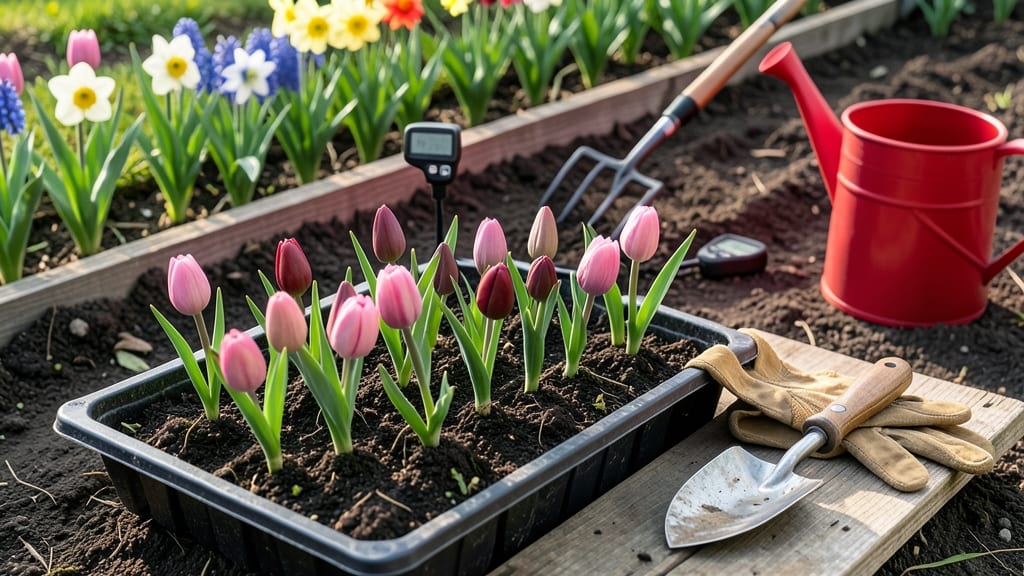
Planting flowers in the spring at the wrong time can turn your garden dreams into a sad, wilted mess—but get the timing right, and you’ll enjoy a vibrant, blooming paradise all season long.
The key is knowing your local frost dates and matching them to your flower types, whether you’re growing delicate annuals or hardy perennials in Zone 6a.
Most gardeners wait until after the last frost, typically around April in many regions, but some flowers like pansies can handle cooler temps, while others, like marigolds, need warmer soil. I’ll show you exactly when to plant each type, so you avoid common mistakes like frost damage or stunted growth.
Beyond timing, we’ll cover soil prep, spacing, and care tips to ensure your flowers thrive from the first sprout to the last bloom. Whether you’re a beginner or a seasoned gardener, these strategies will help you create a stunning display that lasts from summer through fall.
Ready to transform your garden? Let’s dive into the perfect planting schedule for your favorite 🌸 flowers—no more guesswork, just beautiful blooms!
How to determine your local frost dates for perfect spring flower planting
Getting your spring flower planting schedule right starts with knowing your local frost dates. These dates tell you when it's safe to plant heat-loving flowers and when to protect tender seedlings from late frosts.
Without this info, you risk losing your entire garden to a surprise freeze—so let's find your exact dates.
First, check the USDA Plant Hardiness Zone Map for your area. This divides the U.S. into 13 zones based on average minimum winter temperatures. Most gardeners use their zone number (like Zone 6a) to estimate frost dates, but local variations matter more than the zone alone.
For precise frost dates, visit the National Oceanic and Atmospheric Administration (NOAA) website or use local weather services. They provide historical data for your specific location, including average last spring frost and first fall frost dates. Bookmark these dates—they're your planting calendar!
Here's a quick rule: Cool-season flowers (like pansies and snapdragons) can handle light frosts, while warm-season flowers (like marigolds and zinnias) need to wait until after your last frost date. But don't rely solely on averages—watch your local forecast for real-time updates.
Your yard might have microclimates that affect frost timing. South-facing slopes warm up faster than shaded areas, while low spots collect cold air. If your garden sits in a frost pocket, plant heat-lovers 2-3 weeks later than the official date to be safe.
Pro tip: Use frost cloth or row covers for the first week after planting tender flowers. This gives them time to establish roots before facing potential late frosts. It's like giving your plants a cozy blanket while they grow strong.
For container gardens, remember that pots freeze faster than in-ground soil. Move tender containers to sheltered spots or bring them indoors if frost is forecasted. A little extra care here prevents lost plants and wasted dollars.
| Planting Window | Flowers to Plant | Soil Temp Requirement | Frost Protection Needed |
|---|---|---|---|
| 4-6 weeks before last frost | Pansies, Snapdragons, Violas | 40-50°F (cool-season) | Light frost cloth if <32°F |
| 2-3 weeks before last frost | Calendulas, Sweet Alyssum, Stock | 45-55°F (transition) | Row covers for late frosts |
| After last frost date | Marigolds, Zinnias, Petunias | 60°F+ (warm-season) | None (hardy after roots establish) |
| Soil reaches 65°F+ | Sunflowers, Dahlias, Basil Flowers | 70°F+ (heat-lovers) | None (wait for warmth) |
Once you know your frost dates, calculate your planting window by working backward. Most flowers need 6-8 weeks to mature from seed, while transplants take 4-6 weeks to bloom. Start seeds indoors earlier if your growing season is short—this extends your blooming time dramatically.
For perennials, follow the "root before shoot" rule: plant when roots can establish before summer heat arrives. This often means early spring planting for most perennials, even if they won't bloom until summer. Think of it as giving them a head start on the season.
Don't forget to test your soil temperature with a thermometer. Many flowers won't germinate until soil reaches 50-60°F. Cold soil can leave you waiting weeks for sprouts—so patience is key, especially in northern climates where spring comes slowly.
Finally, mark your calendar with these key dates: last frost, soil warming, and peak blooming windows. With this system, you'll transform from guesser to gardening pro—turning wilting dreams into vibrant realities every spring.
Best spring planting schedule by flower type: cool-season vs. warm-season varieties
Spring is the perfect time to transform your garden into a vibrant canvas—but not all flowers are ready for the same planting window. Cool-season flowers like pansies and snapdragons crave early spring's chill, while warm-season bloomers like zinnias and marigolds need to wait for soil to warm.
Your local frost dates are your garden's GPS, guiding when to plant each type for maximum bloom potential.
For cool-season varieties, I recommend planting 4-6 weeks before your last frost date—think March in warmer zones or April in colder areas. These hardy flowers (like calendula and stock) actually prefer cooler temperatures and will bolt if planted too late.
Meanwhile, warm-season favorites should wait until 2-4 weeks after your last frost, when soil temperatures hit 60°F+.
🌱 Comparison Table: Cool-Season vs. Warm-Season Flower Planting
| Flower Type | Best Planting Window | Soil Temp Requirement | Example Varieties | Bloom Season |
|---|---|---|---|---|
| Cool-Season | 4-6 weeks before last frost | 45-60°F | Pansies, Snapdragons, Sweet Alyssum | Spring/Fall |
| Warm-Season | 2-4 weeks after last frost | 60°F+ | Zinnias, Marigolds, Petunias | Summer/Fall |
| Tender Annuals | After all danger of frost | 65°F+ | Geraniums, Coleus, Begonias | Summer |
Pro tip: Use row covers to extend your cool-season planting window by 2-3 weeks in chilly climates. I've had great success with frost cloth protecting snapdragons until May in Zone 5. For warm-season plants, test soil temperature with a soil thermometer—60°F is the magic number for most heat-lovers.
Don't forget about perennial flowers like coneflowers and black-eyed Susans, which can be planted in early spring or fall. These hardy plants establish roots before summer heat arrives. For bulbs like tulips, plant them in fall (6-8 weeks before frost) for spring blooms.
Regional adjustments matter! In Zone 7+, you can plant warm-season flowers as early as mid-March, while Zone 4 gardeners should wait until mid-May. Check your USDA zone and local frost date averages to fine-tune your schedule.
Once planted, give your flowers consistent watering and mulch to retain moisture. Cool-season plants need moderate water, while warm-season varieties crave deep, infrequent watering to develop strong roots. With the right timing, your garden will reward you with nonstop color from spring through fall. 🌼