
Plants
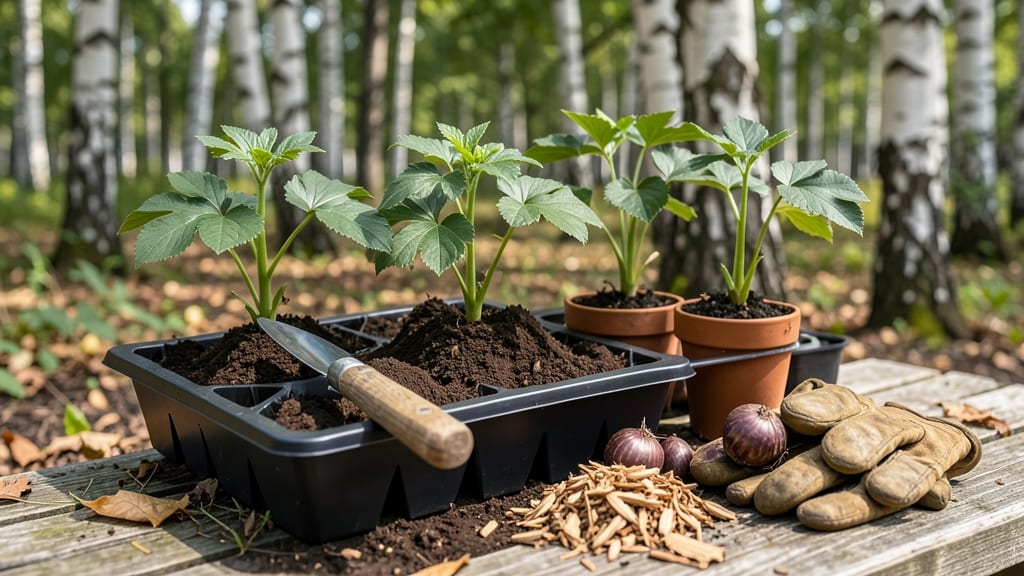
Planting dahlias in Georgia at the wrong time means watching your 🌸 tubers rot in the cold or struggle in the heat—but get the timing right, and you’ll enjoy bold blooms from summer through fall.
The key window opens after your last frost, typically between April 15 and May 15, when soil temperatures hit that sweet spot of 60°F or warmer.
Why does this matter? Dahlias thrive in Georgia’s 7b-8a climate, but they’re finicky about when they go into the ground. Plant too early, and frost will damage tender roots; too late, and your dahlias might bolt before they bloom.
The solution? Start with healthy tubers, prep your soil with organic matter, and watch for those frost-free signs like blooming redbud trees.
I’ve learned the hard way that rushing the process leads to leggy, weak plants. Instead, aim for 2-4 weeks before your last frost date—this gives dahlias time to establish roots before Georgia’s summer heat kicks in.
Whether you’re a seasoned gardener or a first-timer, these tips will help you avoid common pitfalls and set your dahlias up for success.
Ready to transform your garden? Let’s dive into the exact steps for chitting tubers, soil prep, and planting schedules tailored to Georgia’s unique growing conditions. Your future bouquets are waiting!
Georgia’s last frost dates and ideal dahlias planting window
Georgia’s USDA Zones 7b-8a create a perfect climate for dahlias, but timing is everything. The last frost date varies dramatically between North Georgia’s Zone 7b (average last frost: March 15) and South Georgia’s Zone 8a (average last frost: February 28).
Planting too early risks frost damage, while waiting too long means missed blooms.
For optimal dahlia growth, plant tubers 2-4 weeks after your area’s last frost. This window typically falls between mid-April and mid-May for most Georgia gardeners. Soil temperature must reach at least 60°F—a critical factor often overlooked in Georgia’s humid climate.
Here’s how to calculate your exact planting window using Georgia’s regional differences:
| Region | Average Last Frost | Ideal Planting Window | Soil Temp Requirement | County Examples |
|---|---|---|---|---|
| North Georgia (Zone 7b) | March 15 | April 15 - May 1 | 60°F+ | Fannin, Hall, Gilmer |
| Central Georgia (Zone 7b/8a) | March 1 - March 15 | April 1 - April 15 | 60°F+ | Fulton, Cobb, DeKalb |
| South Georgia (Zone 8a) | February 28 | March 15 - April 1 | 60°F+ | Camden, Lowndes, Tattnall |
| Coastal Georgia (Zone 8a) | February 15 | March 1 - March 15 | 60°F+ | Chatham, Liberty, Bryan |
North Georgia gardeners should wait until April 15 to plant dahlias, as late frosts can still occur through early April. In contrast, South Georgia’s earlier last frost allows for March 15 planting, giving tubers more time to establish before summer heat arrives.
Use a soil thermometer to verify temperatures—dahlias won’t thrive below 60°F. Cold soil slows root development, leading to stunted growth. I’ve seen first-year dahlias in Georgia struggle when planted before soil warms, even if air temperatures seem mild.
For extended blooms, consider planting tubers in containers 2-3 weeks earlier. Containers warm faster and give you flexibility to move plants indoors if late frosts threaten. Just ensure containers have drainage holes to prevent Georgia’s humidity from causing rot.
Pro tip: Mark your calendar for May 15 as the absolute deadline for planting dahlias in North Georgia. After this date, tubers may not establish roots before summer’s intense heat arrives. South Georgia gardeners have until April 15 for the same reason.
Remember that dahlia varieties differ in maturity. Dwarf varieties (1-2 ft tall) establish faster than standard varieties (4-7 ft tall), so prioritize planting taller types slightly later in your window. This staggered approach maximizes your bloom time throughout summer.
Local weather patterns matter more than USDA zones. Check the National Weather Service’s Atlanta or Savannah forecasts for 10-day outlooks in early spring. A sudden cold snap can push your planting window back by weeks—don’t let frost catch you off guard!
Once you’ve planted, monitor for early signs of growth (sprouts appearing in 2-3 weeks). If you see nothing after 3 weeks, gently check soil moisture—dahlias need consistent moisture but hate soggy conditions. Georgia’s summer humidity makes this balance tricky, so mulch heavily after planting.
How to prepare dahlia tubers for Georgia’s humid climate
Georgia’s warm, humid summers demand extra care when preparing dahlia tubers—they’re prone to rot if planted too early or in soggy soil. The key is chitting tubers indoors 4-6 weeks before your last frost date, then transitioning them to well-draining soil once temperatures stabilize.
This two-step process gives your dahlias a head start while avoiding fungal issues common in our climate.
Start by inspecting your tubers for firm, plump sections with multiple "eyes" (growth points). Discard any that feel mushy or smell sour—these won’t survive Georgia’s heat. Use a sharp knife to separate tubers, ensuring each piece has at least 3-5 eyes.
Let the cut surfaces dry for 24 hours before planting to prevent infection.
- 🌱 Step 1: Chit Tubers Indoors
Place tubers in a shallow tray with the eyes facing up. Fill a spray bottle with water and mist lightly every 3-4 days. Keep in a bright, warm spot (70°F+)—a sunny windowsill works. Sprouts should appear in 2-4 weeks. - 💧 Step 2: Prep Soil for Drainage
Mix 50% garden soil, 30% compost, and 20% perlite or sand to improve drainage. Test your soil’s moisture by squeezing a handful—it should crumble, not stick. Georgia’s clay-heavy soils often need amendments to prevent waterlogging. - ☀️ Step 3: Acclimate Tubers
1 week before planting, move chitted tubers outside during the day and bring them in at night. This hardens off roots for Georgia’s sudden heat shifts. Choose a south-facing spot with 6+ hours of sun—dahlias thrive in full sun but avoid afternoon scorching. - 🪴 Step 4: Plant in Containers or Ground
Containers: Use pots with drainage holes and plant tubers 4-6 inches deep. In-ground: Dig holes 12-18 inches apart and 6 inches deep. Add a 2-inch layer of gravel at the bottom to boost drainage. - 🌿 Step 5: Mulch & Water Deeply
Apply 3 inches of mulch (straw or pine needles) to retain moisture and regulate soil temperature. Water deeply at the base (1-2 gallons per plant) in the morning to encourage strong root growth. Avoid wetting foliage to prevent fungal diseases like powdery mildew.
Georgia’s humidity can turn dahlia leaves yellow if roots suffocate, so elevated containers are ideal for heavy clay soils. If planting in-ground, choose spots with natural slopes to improve drainage.
For tall varieties (4-7 ft), add stakes or cages at planting time—waiting until stems are established risks breaking them in storms.
After planting, monitor for slugs and snails, which thrive in Georgia’s damp conditions. Set out beer traps or diatomaceous earth near plants to protect young shoots. Dahlias planted this way will reward you with bold blooms from July through October, even in our heat.
Pro tip: Mark your planting date on a calendar—Georgia’s last frost varies by region (March 15 in North Georgia to April 1 in South Georgia). Aim to plant 2-4 weeks after your local last frost date for the best results.