
Plants
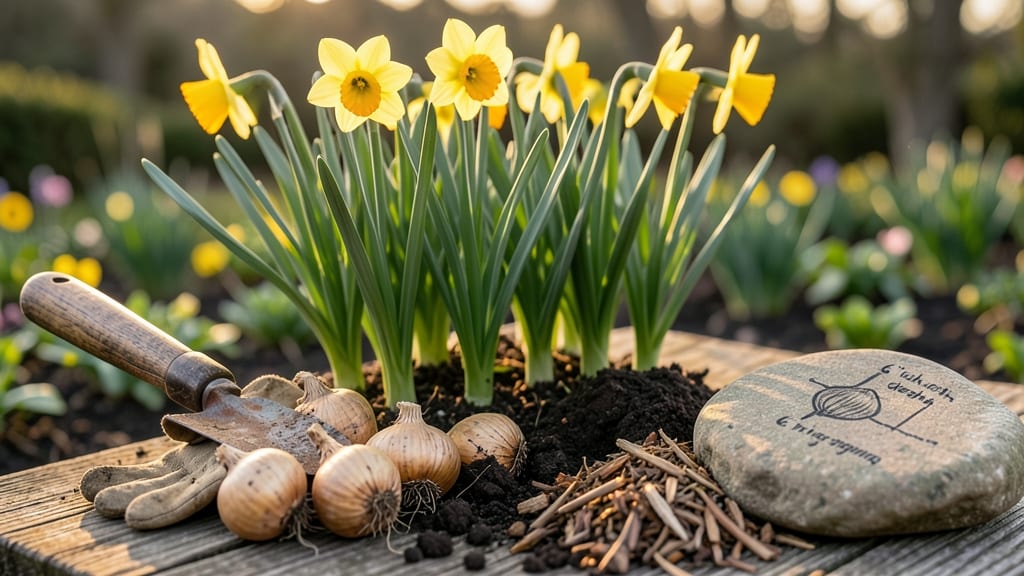
Planting daffodils in Maryland at the wrong time could mean wasted bulbs or missed spring blooms—so timing is everything. The key to vibrant yellow and white 🌼 clusters next April lies in understanding your county’s frost dates and planting 6-8 weeks before the ground freezes.
Maryland’s USDA Zones 7a-7b give you a narrow window between mid-October and mid-November, but urban heat islands and microclimates can shift that timeline by weeks. Whether you’re in Baltimore County or the Eastern Shore, getting this right ensures your daffodils establish roots before winter sets in.
I’ll break down the exact frost-free planting schedule by county, plus soil prep tips to guarantee strong growth. With these strategies, you’ll outshine every neighbor’s garden—and enjoy those cheerful blooms come spring.
Ready to transform your yard? Let’s dive into the perfect timing and techniques for Maryland’s daffodil success.
Maryland’s frost-free planting window for daffodils by county
Daffodils thrive in Maryland’s climate when planted during their natural fall dormancy period, but the exact timing varies by county. Understanding your last-frost dates and microclimate ensures bulbs establish roots before winter.
Urban areas like Baltimore often experience urban heat islands, delaying frost by 1-2 weeks compared to rural counties like Garrett.
Maryland spans USDA Zones 6b to 7b, meaning frost dates shift from early November in the north to mid-November in the south. Planting 6-8 weeks before ground freeze guarantees strong root growth before winter dormancy. Use this county-by-county guide to pinpoint your ideal September-November window.
Pro Tip: Check Maryland Cooperative Extension’s frost maps annually—early frosts in 2023 (like in Frederick County) caught many gardeners off guard. Adjust your schedule if your area experienced unseasonably cold snaps.
Northern counties like Allegany and Frederick have the shortest frost-free windows, so prioritize early planting by mid-September. Their higher elevations create cooler microclimates where bulbs need extra time to root before winter. In contrast, Baltimore and Prince George’s counties benefit from urban warmth, allowing later plantings into early November.
Soil temperature is your best indicator—wait until it drops to 50-60°F (10-15°C) for 10 days straight. Use a soil thermometer in your garden bed to avoid guessing. This rule applies universally across Maryland’s sandy Coastal Plain and loamy Piedmont soils.
Adjust for unpredictable weather by planting 1-2 weeks early if your area experienced early frosts in previous years. For example, Garrett County gardeners should plant by October 1 as a precaution, even though the average frost date is November 10.
Check local National Weather Service forecasts for 30-day outlooks before finalizing your schedule.
Urban gardeners face unique challenges: concrete and asphalt absorb heat during the day but radiate it at night, creating false early-spring conditions. In these areas, daffodils may emerge too soon, risking frost damage.
To mitigate this, plant 1 week later than the recommended window and use lightweight mulch (like straw) to insulate bulbs.
Even with perfect timing, planting depth matters. In Maryland’s clay-heavy soils (common in Montgomery County), dig holes 6 inches deep—twice the bulb’s height—to prevent rot. In sandy soils (like Calvert County), reduce depth to 4-5 inches to avoid drying out. Always plant pointy-end-up for consistent blooms.
Mark your calendar for April 1
How to time daffodil planting for maximum blooms in Maryland’s climate
Maryland’s diverse climate—from the sandy Coastal Plain to the loamy Piedmont—means daffodils need precise timing to thrive. Plant too early, and frost will damage tender bulbs; too late, and they won’t establish roots before winter.
The key? 6–8 weeks before the ground freezes, typically mid-October to November in most counties. But soil type plays a huge role in how deep and when you should plant.
For sandy soils (common in coastal areas like Calvert or Worcester counties), water drains quickly, so plant shallower (4–6 inches deep) to encourage root growth. In clay-heavy or loamy soils (like Montgomery or Baltimore counties), aim for 6–8 inches deep to protect bulbs from moisture stress.
Always space bulbs 3–6 inches apart—closer for small gardens, wider for bold drifts.
- 1. Test soil pH—aim for 6.0–7.0. Sandy soils may need lime; clay soils benefit from sulfur.
- 2. Choose disease-resistant bulbs (e.g., ‘Ice Follies’ or ‘Tête-à-Tête’) for Maryland’s humidity.
- 3. Plant in full sun (6+ hours/day)—shadier spots delay blooming and weaken stems.
- 4. Adjust depth by soil type: Sandy = 4–6", Loamy/Clay = 6–8".
- 5. Water deeply after planting to settle soil, then reduce watering until spring sprouts appear.
Don’t skip soil prep—Maryland’s compacted clay or sandy loam can suffocate bulbs. Mix in 2–3 inches of compost or aged manure before planting to improve drainage and fertility. For heavy clay soils, add coarse sand to prevent waterlogging, which causes bulb rot.
A quick test: Squeeze a handful of soil—if it holds a shape, it’s too dense.
Timing also depends on your Maryland county. In cooler western counties (like Frederick), plant by late September to avoid early frosts. In warmer eastern counties (like Anne Arundel), stretch planting to mid-November.
Check your last frost date (typically mid-November) and count backward—6–8 weeks is your sweet spot.
Pro tip: Use mulch after planting (straw or shredded leaves) to insulate bulbs in freeze-prone areas like Garrett County. Remove mulch in early spring to let sunlight warm the soil and trigger blooming. Avoid heavy mulch in sandy soils—it can dry bulbs out too quickly.
Finally, label your beds! Daffodils take 4–6 weeks to sprout after planting, and forgetting where you tucked them can lead to accidental digging in spring. Mark spots with biodegradable flags or a simple sketch of your garden layout.
With these steps, your daffodils will burst into bloom right on schedule—just in time for Maryland’s spring showers.