
Plants
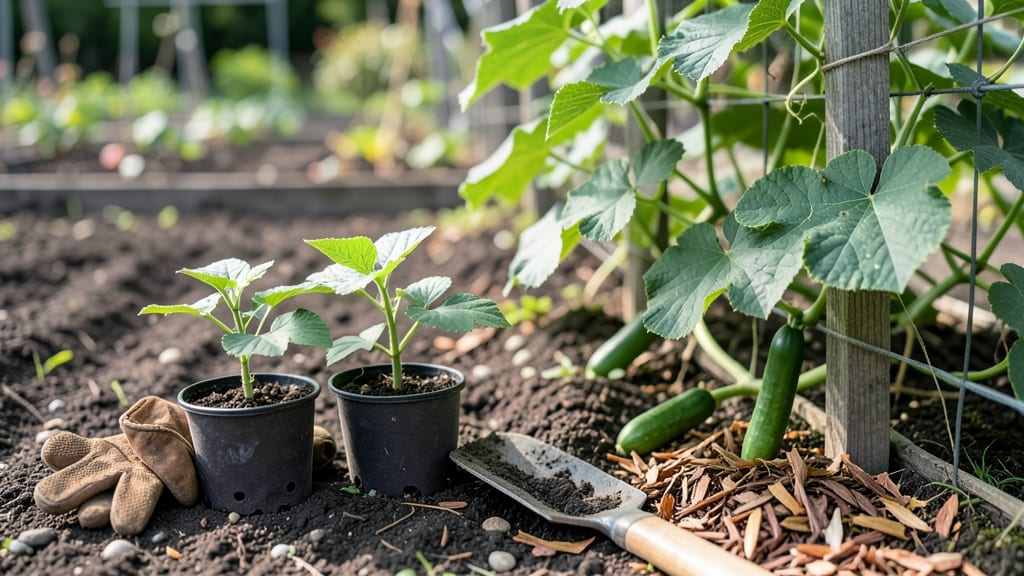
Planting cucumbers in Maine at the wrong time can mean the difference between a bountiful harvest and a total flop—especially when frost lingers longer than expected. With USDA Zones 5-6 and unpredictable spring weather, timing is everything for your 🥒 plants to thrive.
Most gardeners wait until mid-May to early June, but coastal areas like Portland might be frost-free a week earlier than inland spots like Bangor.
The key is watching soil temperatures—cucumbers need at least 60°F to sprout, and waiting for the last frost date (usually mid-May) ensures your seedlings don’t get nipped.
If you’re eager to start early, try cold-hardy varieties like ‘Northern Pickling’ or use black plastic mulch to warm the soil faster. But don’t rush—planting too soon risks stunted growth, while waiting until July cuts your harvest short.
I’ll show you exactly how to balance these factors for peak yields in Maine’s short growing season.
Whether you’re a first-time gardener or a seasoned pro, these insights will help you avoid common mistakes and extend your cucumber season until September. Let’s get your garden on track for success!
Maine’s frost-free dates by county: best planting windows for cucumbers
Maine’s short growing season and variable frost dates demand precision when planting cucumbers. Coastal areas like York County often see frost-free conditions by May 10th, while inland regions like Aroostook County may wait until June 5th.
Timing matters—plant too early, and frost zaps tender seedlings; too late, and your harvest shrinks. Let’s break down the optimal planting windows by county to ensure you get the most from your cucumber plants.
Cucumbers thrive in warm soil (at least 60°F) and consistent temperatures. In Maine, this typically aligns with after the last frost, but coastal areas can push planting dates 1-2 weeks earlier thanks to milder microclimates.
For inland regions, row covers or black plastic mulch can help warm the soil faster, allowing you to plant 10-14 days earlier than the average frost-free date.
Key takeaway: Plant directly outdoors after your county’s last frost date, or start indoors 3-4 weeks earlier if using bush varieties (like Bush Champion) that tolerate cooler soils. For vining types (e.g., Straight Eight), wait until soil is fully warmed to avoid stunted growth.
🌱
For extended harvests, consider planting two batches: one in early June for late-summer crops and another in mid-July using fast-maturing varieties
How to adjust planting time for cucumbers based on Maine’s microclimates
Maine’s diverse geography means your cucumber planting strategy should vary dramatically depending on whether you’re in the coastal zones, highland regions, or urban gardens.
While inland areas like Augusta or Bangor typically see last frosts by May 15, coastal areas like Bar Harbor can delay frost risks until June 1—sometimes later. Understanding these microclimates lets you push planting dates earlier or extend harvests with simple techniques.
For urban gardeners in cities like Portland or Lewiston, where heat islands create warmer pockets, you can often start cucumbers 2-3 weeks earlier than rural areas. Meanwhile, highland spots like Mount Katahdin may need to wait until late May or even early June to avoid frost.
The key is adapting your approach to your specific location’s quirks.
Here’s how to adjust your planting timeline based on Maine’s unique microclimates, including cold-hardy varieties, soil warming tricks, and protective covers to maximize your harvest:
Coastal Zones (e.g., Bar Harbor, Portland)
Wait until June 1-15 due to cooler ocean breezes delaying soil warmth. Use black plastic mulch to raise soil temps 5-10°F faster.
Highland Areas (e.g., Mount Desert Island, Acadia)
Plant late May to early June—soil warms slower at elevations. Choose cold-tolerant varieties like ‘Northern Pickling’ or ‘Straight Eight’ for 5-7°F hardier starts.
Urban Gardens (e.g., Portland, Lewiston)
Start May 10-25—heat islands warm soil faster. Use row covers for 2-3 weeks post-planting to protect from late frosts.
Soil Warming Hacks
Lay clear plastic sheeting over beds 2 weeks before planting to trap heat. For containers, use dark-colored pots to absorb sunlight.
Extend the Season
Plant succession crops every 2 weeks until July 15 for late harvests. Use low tunnels to protect vines until October 1.
If you’re in a coastal microclimate, don’t rush—wait until June 1 to plant, even if inland neighbors start earlier. The ocean’s cooling effect can delay soil warmth by 2-3 weeks, and cold soil slows germination.
For highland gardens, prioritize cold-hardy varieties like ‘Northern Pickling’ or ‘Straight Eight’, which tolerate 5-7°F cooler soils than standard types.
Urban gardeners have an advantage: heat islands can push soil temps 5-10°F warmer than rural areas. Test your soil with a thermometer—cucumbers need 60°F+ soil to thrive. If it’s cooler, use black plastic mulch or row covers to create a microclimate that mimics a sunnier location.
To extend your harvest beyond Maine’s typical September frost, try succession planting every 2 weeks until July 15. Pair this with low tunnels or row covers to shield vines until early October.
Varieties like ‘Boston Pickling’ or ‘National Pickling’ are great for late-season harvests because they mature faster than slicing types.
Remember, even with adjustments, frost protection is your best friend. Keep a frost cloth or row cover on hand for unexpected cold snaps—especially in highland or coastal areas where late frosts are more likely.
With these strategies, you can turn Maine’s unpredictable climate into an advantage for a longer, more productive cucumber season.