
Plants
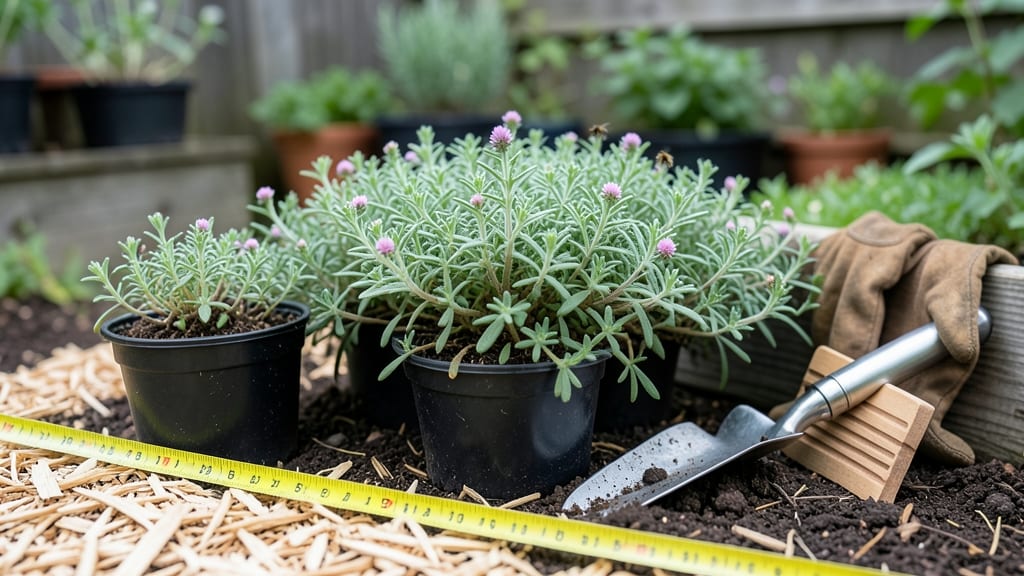
Planting creeping thyme in Colorado at the wrong time can leave your 🌿 struggling to take root—especially when elevation shifts frost dates by weeks. If you've ever watched your ground cover wilt in the cold or bolt in the heat, you're not alone.
The key to success lies in understanding Colorado's microclimates, where Front Range gardens and mountain slopes can differ by 10°F or more.
For most Colorado zones 5-7, early spring (March-April) or early fall (September-October) are your best bets—but timing varies dramatically by elevation. At lower elevations, soil warms faster, while high-altitude gardens need to wait until after the last frost, which can arrive as late as mid-May in mountain regions.
This isn't just about avoiding frost; it's about giving your thyme the perfect start.
I'll walk you through the exact planting windows for your specific elevation, including soil prep tips to ensure your creeping thyme thrives.
Whether you're in Denver's urban heat islands or the cooler Foothills, these adjustments will help you avoid common pitfalls and create that lush, aromatic ground cover you're dreaming of.
Ready to transform your garden? Let's dive into the precise deadlines and care strategies tailored to Colorado's unique growing conditions—so you can enjoy fragrant thyme year-round, even after the first frost enhances its flavor.
Colorado’s creeping thyme planting deadlines by elevation zone (2024 guide)
Timing your creeping thyme planting in Colorado’s diverse climate can mean the difference between a lush, fragrant ground cover and a struggling transplant—especially when elevation shifts temperatures by 3°F per 1,000 feet.
The Front Range, Foothills, and Mountain regions all have unique frost dates and soil warmth patterns that demand precise planting windows. Miss these deadlines, and your Thymus serpyllum may struggle to establish roots before winter’s harsh freeze.
Colorado’s USDA Hardiness Zones 5–7 create a complex puzzle for gardeners. At 5,280 feet (Denver’s elevation), last frost typically arrives in mid-May, but climb to 7,000 feet in the Foothills, and that window shifts to late May or early June.
Mountain regions above 8,000 feet face even later frost dates, often June 15 or later, while drought risks increase with every 1,000-foot gain in elevation.
To simplify, I’ve broken down planting deadlines by elevation zone, accounting for soil temperature thresholds (creeping thyme thrives when soil reaches 50°F) and drought-prone conditions. Use this guide to align your planting with Colorado’s microclimates, ensuring your ground-cover herb establishes strong roots before winter.
Pro Tip: For container gardening in high-elevation zones, extend your planting window by 2–4 weeks—containers warm faster and can be moved to protected microclimates during cold snaps. This flexibility is critical for Mountain regions where frost can linger into July.
For spring planting, aim to get your creeping thyme in the ground 4–6 weeks before your local last frost date. This gives roots time to establish before temperatures dip below 40°F at night.
In Denver (5,280 ft), that means starting in mid-March, while Aspen (8,000 ft) gardeners should wait until early May.
Fall planting offers a second chance, especially in drought-prone zones. Plant 6–8 weeks before your first frost (typically mid-September for the Front Range, early September for Mountains) to allow roots to anchor before winter. The cooler fall temperatures reduce water stress, making this an ideal window for high-elevation areas.
Soil preparation is critical—creeping thyme thrives in well-draining, slightly alkaline soil (
How to adjust planting timing for Colorado’s microclimates (beyond elevation)
Colorado’s microclimates can shift your creeping thyme planting window by 2-4 weeks—even in the same neighborhood. While elevation is critical, factors like urban heat islands, north-facing slopes, and irrigation access create localized growing conditions that demand precise adjustments.
Ignoring these can leave your plants stunted or vulnerable to late frosts or summer drought.
For example, a Denver backyard with concrete surfaces may stay 5-10°F warmer than a nearby wooded area, pushing your spring planting 2 weeks earlier. Meanwhile, a north-facing slope in the Rocky Mountains might need a 4-week delay compared to a south-facing Front Range garden.
Let’s break down how to fine-tune your timing for these common Colorado scenarios.
- 🏙️ Urban Heat Islands: Plant 2 weeks early (late March) if your soil warms faster due to pavement or buildings.
- 🌄 North-Facing Slopes: Delay planting 3-4 weeks (late April) to avoid late spring frosts that linger in shaded areas.
- 💧 Drip-Irrigated Zones: Start 1 week earlier (early April) since consistent moisture helps roots establish faster in dry microclimates.
- 🌳 Forested Edges: Wait until mid-May—shade keeps soil cooler, delaying ideal planting by 3 weeks.
- 🏡 South-Facing Walls: Plant 2 weeks late (early May) if your wall traps heat, risking heat stress in young transplants.
If you’re gardening in a Denver suburb with urban heat island effects, aim to plant creeping thyme by late March—soil temperatures rise faster in these areas, giving your thyme a 4-6 week head start before summer drought sets in.
Use a soil thermometer to confirm the ground has reached 50°F at a 4-inch depth; this is your green light to plant.
For mountain microclimates like those in Boulder County or Summit County, north-facing slopes can be tricky. These areas often experience late frosts into May, so hold off until mid-to-late April.
Test your slope’s frost risk by monitoring local CoCoRaHS weather stations—their data shows frost-free dates vary by 10-14 days even within the same valley.
Another critical factor is irrigation access. If your garden relies on drip irrigation or a soaker hose, you can plant 1 week earlier than the general guideline. Consistent moisture helps creeping thyme establish roots 30% faster, reducing transplant shock.
In contrast, areas with no irrigation should delay planting until early May to align with Colorado’s monsoon season, which provides natural watering.
Pro tip: Pair your planting adjustments with mulching. Apply a 1-inch layer of straw or gravel to regulate soil temperature—this can extend your planting window by 1-2 weeks in both hot urban zones and cool mountain microclimates.
For example, mulch helps Denver’s urban gardens retain moisture longer, while in Eagle County, it insulates roots from diurnal temperature swings.