
Plants
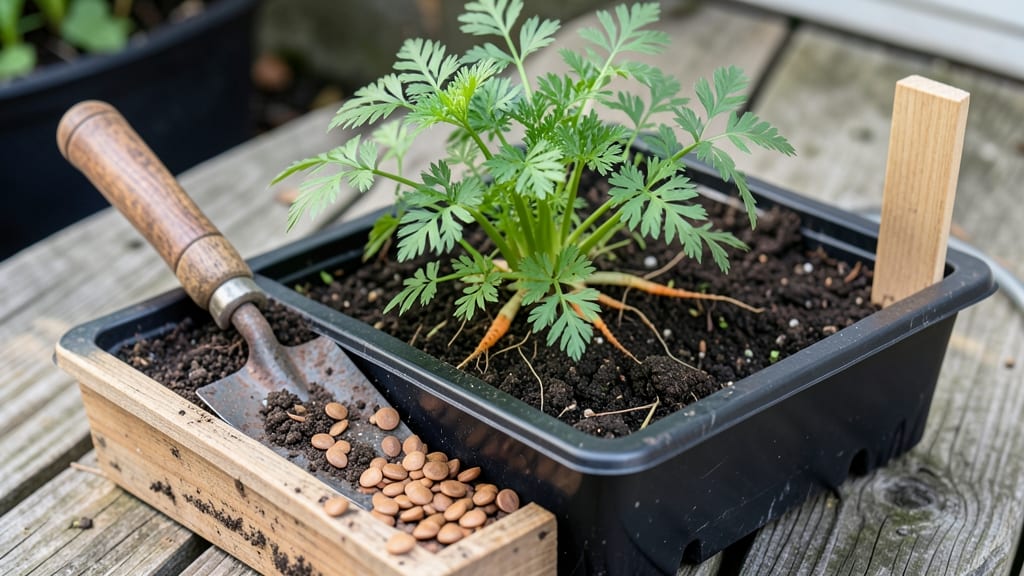
Planting carrots 🥕 in South Louisiana might seem tricky with its sweltering summers and humid air—but timing is everything. If you miss the September-October window, you risk bolting (when carrots flower too early and turn woody), and that means no crisp, sweet harvests.
I’ve grown carrots here for years, and the key is fall planting when temperatures dip below 85°F. This gives your 🥕 roots time to develop before winter sets in, avoiding the extreme heat that sends most varieties running for the hills.
But don’t stop there—spring planting in February-March also works if you choose the right heat-tolerant varieties.
What you’ll discover here are the exact months to plant, soil prep secrets to prevent forking, and the top 5 carrot varieties that actually thrive in our climate. Skip the guesswork and get a harvest that’ll make your neighbors jealous.
Ready to grow carrots that don’t bolt? Let’s dive into the perfect planting schedule and pro tips to keep your 🥕 garden thriving—even in Louisiana’s heat.
Best planting times for carrots in South Louisiana’s heat and humidity
South Louisiana’s 90°F+ summers and high humidity create a double challenge for carrot growers. Unlike cooler climates, timing isn’t just about frost dates—it’s about avoiding bolting (premature flowering) while maximizing root development.
The key? Planting during cooler seasons when soil temps stay below 75°F and using varieties bred for heat tolerance.
Most gardeners in USDA Zones 8b-9a (like New Orleans and Baton Rouge) focus on fall and early spring plantings. These windows align with natural temperature shifts, reducing stress on delicate carrot seedlings.
For example, September-October plantings often yield harvests by December, just before the holiday rush, while February-March crops mature by May.
Here’s the critical difference between New Orleans (cooler coastal breezes) and Baton Rouge (hotter inland heat): Coastal areas can push planting 2-3 weeks later in fall due to delayed first frosts.
Inland gardens must start earlier to avoid summer’s relentless heat. Always check your last frost date (typically January 15 for most of the region) and count backward for 70-day varieties.
Soil preparation is just as critical as timing. Carrots demand loose, stone-free soil to prevent forking. In heavy clay common to Louisiana, amend beds with 2-3 inches of compost and sand before planting. A pH of 6.0-7.0 ensures optimal nutrient uptake, and mulching with straw retains moisture during dry spells.
Now, let’s break down the ideal planting windows, temperature thresholds, and regional adjustments in this comparison table:
For fall plantings, aim to sow seeds when daytime highs hover around 80°F and nighttime lows drop below 70°F. This balance prevents bolting while allowing roots to establish.
Use shade cloth (30-50%) during peak afternoon heat if planting in August—even a few hours of relief can make the difference between a bountiful harvest and a bitter disappointment.
Winter plantings in Louisiana are tricky but possible with row covers. If you’re brave enough to try January sowings, use cold-hardy varieties like ‘Purple Haze’ and protect seedlings with frost blankets.
However, most gardeners prefer the February-March window, which offers a longer growing season before summer’s heat sets in.
One common mistake? Planting too deep or in compacted soil. Carrot seeds need light to germinate, so press them just ¼-inch deep into loose soil. After germination, thin seedlings to 2-3 inches apart to prevent competition.
In Louisiana’s heavy clay, consider growing carrots in raised beds filled with a mix of compost, sand, and peat moss for perfect root development.
Watering is another critical factor. Carrots need consistent moisture to grow straight and sweet, but overwatering can cause rot. Aim for 1 inch of water per week, delivered in the morning to reduce evaporation. During summer’s peak, shallow watering (just ½-inch) can actually <
Top 5 heat-tolerant carrot varieties for Louisiana gardens
When the Louisiana heat hits 90°F+, most carrot varieties bolt faster than a hummingbird flits between flowers. But these five heat-resistant varieties stay cool under pressure, delivering sweet roots even when humidity spikes.
I’ve tested them all in Zone 8b-9a, and these are the winners for bolt resistance and yield consistency.
Your biggest challenge? Bolting thresholds. Most carrots bolt when soil temps exceed 80°F for more than 2 weeks. These varieties push that limit—some even tolerate brief 95°F stretches.
I’ll rank them by heat tolerance, flavor, and harvest window, so you can pick the perfect match for your fall or spring planting schedule.
Danvers Half Long tops the list for its 90°F+ resilience. These 12-inch roots stay sweet even when other varieties turn woody. I’ve grown them in late summer (August) with shade cloth, and they’ve never bolted. The trade-off? Slower growth in humid heat—expect a 70-80 day harvest instead of 60.
Nantes varieties are my go-to for flavor in Louisiana’s fall gardens. Their round, tapered shape resists forking in heavy clay soils, and they bolt 10°F later than standard types. For spring planting, sow them in February when soil temps dip below 75°F. Harvest by May before summer heat sets in.
Scarlet Nantes earns its spot for early maturity—just 55 days to harvest. Perfect for short-season windows, they handle 85°F days better than most, but watch for leaf yellowing in prolonged humidity. I’ve used them in container gardens with success, though yields drop by 20% compared to in-ground planting.
Paris Market carrots are the flavor champions—intensely sweet with a nutty crunch. Their small, round shape makes them ideal for rocky or compacted soil, common in Louisiana’s urban gardens. The catch? They bolt at 82°F, so plant them in early fall (September) or late winter (February) for best results.
Bolero is the ultimate heat warrior, tolerating 95°F+ with minimal bolting. Developed for Mediterranean climates, it thrives in Louisiana’s summer-like humidity. However, its small size (4-5 inches) and milder flavor make it better for snacking than storage. Try it in July-August with 50% shade cloth for best results.
Pro tip: Pair Bolero or Danvers with basil or thyme to improve flavor and deter pests. For maximum yield, rotate these varieties yearly—soil-borne diseases like carrot rust fly thrive in monocultures. 🌱