
Plants
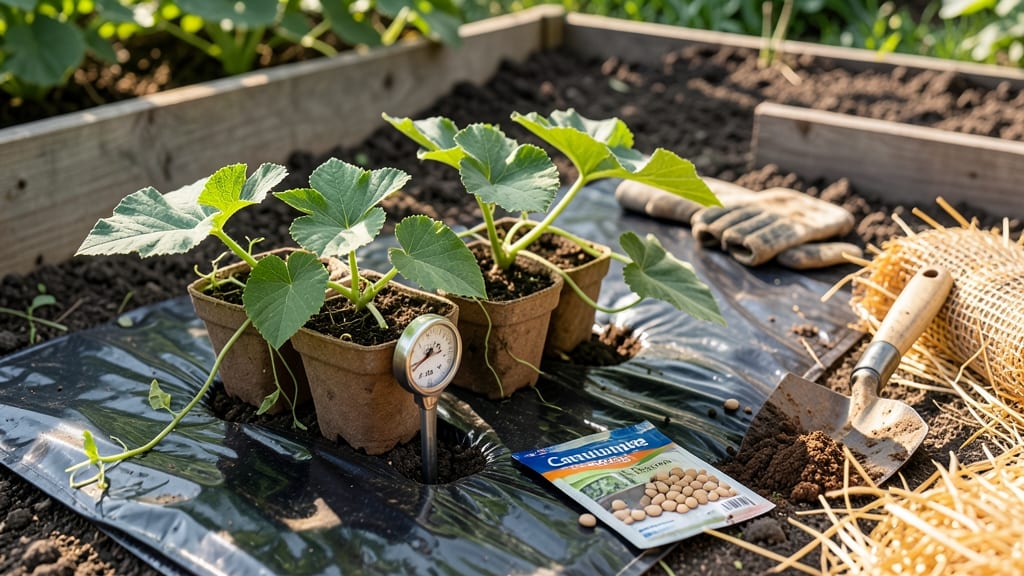
Planting cantaloupe in Arkansas at the wrong time means waiting months for sweet 🍈 harvests—or worse, losing your crop to frost. The key isn’t just avoiding cold snaps; it’s waiting for soil warmth that triggers fast germination, turning a gamble into a guaranteed summer treat.
Most Arkansas gardeners rush planting after the last frost (usually mid-April), but cantaloupe seeds need soil temperatures of at least 70°F to sprout reliably. That’s why even experienced growers in 7a-8a zones often wait until early May—patience here means the difference between a fast harvest and a disappointing one.
Here’s the secret: black plastic mulch can warm soil by 10°F+ in just days, giving you a head start. But timing still matters—plant too late, and Arkansas’s brutal summer heat arrives before your vines mature.
I’ll break down exactly when to start seeds indoors (or not) and how to adjust for your specific microclimate.
Ready to grow cantaloupes that ripen in 75 days or less? Let’s dive into Arkansas’s best planting windows, soil tricks, and varieties that thrive in our short growing season—so you can enjoy that first juicy bite by July.
Arkansas cantaloupe planting dates based on soil temperature zones
Arkansas gardeners face a unique challenge with cantaloupe: the state's USDA zones 7a-8a offer varied microclimates, from cooler northern valleys to hotter southern plains. Soil temperature is the critical factor—cantaloupe seeds need 70°F+ soil to germinate, and planting too early leads to poor sprouting or frost damage.
Let’s break down the optimal planting windows by region to maximize your harvest.
Northern Arkansas (Zones 7a-7b), including areas like Fayetteville and Bentonville, typically has the latest frost dates—mid-April to early May. Central Arkansas (Zones 7b-8a), like Little Rock and Hot Springs, can plant slightly earlier, around late March to mid-April.
Southern Arkansas (Zones 8a), such as El Dorado and Texarkana, enjoys longer growing seasons and can start as early as mid-March.
Here’s the key: Wait until nighttime temperatures consistently stay above 55°F and soil warmth reaches 70°F at 4 inches deep. Use a soil thermometer to confirm—this tool is your best friend for avoiding wasted effort.
Planting too soon in cooler zones can delay harvests by 2-3 weeks, while southern regions might need shade cloth during late-summer heatwaves to protect ripening fruit.
| Region | USDA Zone | Last Frost Date | Optimal Planting Window | Soil Temp Requirement | Harvest Window |
|---|---|---|---|---|---|
| Northern Arkansas | 7a-7b | Mid-April | Early to mid-May | 70°F+ (wait for consistency) | Late July to early Sept |
| Central Arkansas | 7b-8a | Late March | Late March to early April | 70°F+ (soil thermometer check) | Mid-July to August |
| Southern Arkansas | 8a | Mid-March | Mid-March to late March | 70°F+ (earlier if warmed) | June to late August |
For gardeners in Zone 7a, like those in the Ozark Mountains, consider starting seeds indoors in late February under grow lights. Transplant seedlings outdoors only after soil temperatures stabilize—typically mid-May.
This head start can shave 2-3 weeks off the growing season, ensuring harvests before fall rains arrive.
In Zone 8a areas, where summers are long and hot, focus on heat-tolerant varieties like 'Crimson Sweet' and plant in early March. Use black plastic mulch to raise soil temperatures 5-10°F faster than bare earth.
This trick is especially useful if you’re in a low-lying area where morning frosts linger longer.
Heatwaves can stress cantaloupe plants, so plan for late-summer contingency. If temperatures exceed 95°F for 3+ days, provide afternoon shade with floating row covers or shade cloth.
This protects blossoms and developing fruit from sunscald, a common issue in Arkansas’s humid summers. Mulch with straw or grass clippings to retain moisture and cool roots.
Pro tip: Direct-sow seeds in Arkansas—cantaloupe hates transplanting and often struggles to recover. Space seeds 2 inches apart when seedlings are 4 inches tall, giving vines room to sprawl. In small gardens, use trellises to save space, though cantaloupes grow best when vines spread freely on the ground.
Track your local frost-free dates using the Arkansas Climate Office or Almanac tools. Adjust planting dates if you notice unusually cold springs—cantaloupe seeds won’t germinate below 60°F, and cool soils invite damping-off disease.
For extra insurance, plant a second crop in late June for a fall harvest, though yields may be smaller.
Remember, cantaloupe thrives on warmth and patience. By aligning your planting schedule with soil temperature zones and local microclimates, you’ll turn Arkansas’s varied growing conditions into a reliable cantaloupe harvest. Happy gardening! 🌱
How to test soil warmth for cantaloupe germination success
Cantaloupe seeds need consistent soil temperatures above 70°F (21°C) to germinate properly. In Arkansas’s USDA zones 7a-8a, this often means waiting until mid-April to early May—but don’t guess!
Testing soil warmth ensures your seeds sprout quickly and avoid the common mistake of planting too soon, only to have seedlings die in unexpected late frosts.
Professional gardeners rely on soil thermometers for precision, but even a simple DIY finger test can save your cantaloupe crop. The key is checking temperatures at the right depth—about 2 inches below the surface—where seeds actually germinate.
Without proper warmth, seeds may rot or take weeks to sprout, delaying your harvest by critical weeks in Arkansas’s short growing season.
Arkansas’s last frost dates vary—from March 15 in the south to April 15 in the north. Even if air temperatures feel warm, soil stays cold until it absorbs sunlight. Planting cantaloupe seeds before soil hits 70°F risks:
- Seed rot from damp, cold soil
- Slow germination (3+ weeks instead of 5-7 days)
- Frost damage to tender seedlings
Pro Tip:
Use black plastic mulch 1-2 weeks before planting to raise soil temps by 5-10°F faster.
To test soil warmth, insert a soil thermometer 2 inches deep in your garden bed. Check temperatures at the same time daily—morning readings are most accurate. If your thermometer reads below 65°F (18°C), wait at least 3-5 days and recheck.
For a no-cost alternative, use the finger test: Push your finger into the soil. If it feels warm to the touch (like a hot cup of tea), it’s ready. If it’s cool, your cantaloupe seeds will struggle.
Daily temperature fluctuations can trick you—even if afternoon air temps hit 80°F (27°C), soil may still be too cool for germination. Monitor for 3 consecutive days of 70°F+ soil temps before planting.
In Arkansas’s hot summers, soil can overheat above 90°F (32°C), which also stunts growth. If this happens, provide light shade cloth during peak afternoon sun until seedlings establish roots.
Adjust your planting schedule based on microclimates in Arkansas. Northern counties (like Benton or Washington) may need to wait until late April, while southern regions (like Arkansas or Ouachita) can start in early April.
For a head start, sow seeds indoors 4-6 weeks before your target outdoor date, but transplant seedlings only when soil is warm enough to prevent shock. Use row covers for 1-2 weeks post-transplant to protect young plants from unpredictable late frosts or heat stress.
Remember, cantaloupe vines spread 3-6 feet wide and need full sun to produce sweet fruit. By mastering soil warmth, you’ll ensure your plants grow strong enough to compete with weeds and resist pests—giving you a bountiful harvest from July to September.
Start testing your soil now, and your cantaloupe will thank you with juicy, ripe fruit in time for Arkansas’s peak summer flavors! 🍈