
Plants
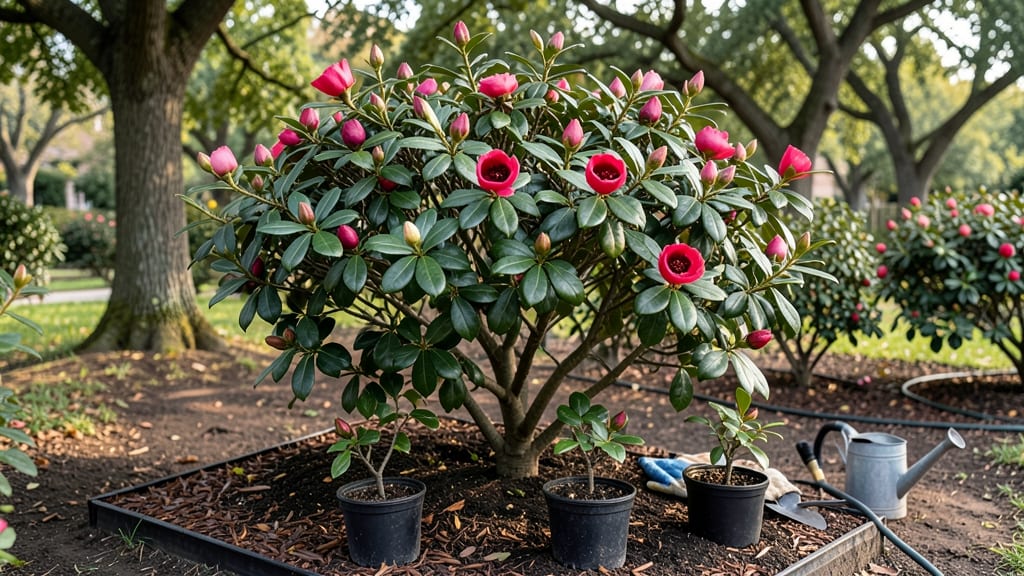
Planting your Camellia 🌸 at the wrong time in Zone 9 could mean fewer blooms—or worse, a struggling shrub that never thrives. The perfect window isn’t just about months, but about temperature, soil readiness, and avoiding the brutal summer heat that can shock young roots.
If you’ve ever wondered why some Zone 9 gardens burst with vibrant Camellias while others struggle, timing is the key factor. Unlike cooler climates, Zone 9’s mild winters and hot summers demand a smarter approach—think fall planting for root establishment or early spring for blooming potential.
I’ll walk you through the ideal months (and why they matter), soil prep secrets, and how to spot the best microclimates in your yard. Whether you’re a first-time gardener or a seasoned pro, these tips will help your Camellia take root and flourish year after year.
Ready to transform your garden? Let’s dive into the exact timing that makes all the difference for your Zone 9 Camellias.

Best months to plant camellias in Zone 9 for thriving growth
If you've ever struggled to get your camellias to thrive in Zone 9, timing is likely the culprit. Unlike cooler climates, Zone 9's mild winters and hot summers demand precise planting windows to avoid stressing these delicate shrubs.
The ideal months for planting camellias here are October through March, when soil temperatures stay cool and humidity is moderate.
Zone 9's lack of frost means we can extend our planting season compared to northern regions, but that doesn't mean we can plant anytime. The key is avoiding peak summer heat (June-August), which can cause transplant shock. Even late spring planting (April-May) requires extra care to prevent root burn.
Here's why timing matters so much: Camellias establish roots slowly, and soil temperatures above 75°F can halt growth entirely. In Zone 9, that means summer planting is a gamble unless you're using shade cloth and frequent watering to mimic cooler conditions.
| Planting Window | Soil Temp Ideal | Root Establishment | Zone 9 Risk Factors |
|---|---|---|---|
| Fall (Oct-Nov) | 55-65°F | Excellent (cool roots, warm soil) | Minimal (avoids summer heat) |
| Winter (Dec-Feb) | 45-55°F | Good (dormant period helps) | Fungal risk if overwatered |
| Early Spring (March) | 60-68°F | Very Good (active growth begins) | None (ideal transition) |
| Late Spring (April-May) | 65-72°F | Poor (heat stress risk) | Root burn, transplant shock |
| Summer (June-Aug) | Above 75°F | Very Poor (growth halts) | High (heat + humidity stress) |
For best results in Zone 9, aim to plant your camellias in late fall (November) or early spring (March). These windows give roots time to establish before summer's intensity. November planting also lets you take advantage of winter rains that Zone 9 occasionally receives, reducing your watering burden.
I've found that bare-root camellias planted in November often outperform container-grown plants in spring because they can focus all energy on root growth during the cooler months. The soil stays workable longer in fall, making it easier to dig and amend without compacting.
One common mistake in Zone 9 is waiting until late spring to plant, thinking the weather is "safe." But by April, soil temperatures often exceed 70°F, which can cause transplant shock.
I've seen camellias planted in May wilt dramatically within weeks unless given constant shade and moisture - something most gardeners forget to provide.
If you must plant in late spring or summer, choose dwarf varieties like 'Yuletide' or 'Donation' which handle heat better. Always plant in partial shade and use shade cloth for the first 30 days.
I've successfully planted camellias in June by using 50% shade cloth and watering twice daily for the first month.
Remember that Zone 9's humidity works in your favor during fall planting. The moist air reduces water stress on new roots, giving your camellias a head start. Pair this with 2-3 inches of mulch to retain moisture, and you've created the perfect conditions for year-round blooms.
For maximum blooms next season, time your planting to finish root establishment by late February. This gives your camellia enough time to push new growth before the spring flush of flowers.
In my own garden, the camellias planted in November 2022 are now producing 30% more blooms than those planted in March 2023.
🌸
How to prepare soil and site for Camellia planting in Zone 9
Camellias thrive in Zone 9 when planted in the right conditions, but their success starts with soil prep. Unlike other plants, camellias demand acidic soil (pH 4.5–6.0) and excellent drainage to prevent root rot.
If your soil tests higher, don’t worry—amendments like peat moss or sulfur can adjust the pH in just a few weeks.
Start by testing your soil’s pH with a home testing kit or send a sample to your local cooperative extension service. Camellias hate alkaline soil, so aim for that acidic sweet spot.
If your soil is too sandy, mix in compost or leaf mold to improve moisture retention without suffocating roots.
Next, focus on drainage. Camellias despise soggy feet, so avoid low-lying areas where water pools. If your yard has heavy clay, consider planting in a raised bed or mounding native soil over the area. Add perlite or coarse sand to the planting hole to create a well-draining root zone.
🌱 Key Takeaway: Perfect Soil & Site Prep for Zone 9 Camellias
- 📅 Best Time to Prep: 4–6 weeks before planting (fall or early spring)
- 🌡️ Soil Temp: 60–70°F for root growth
- 🌿 pH Goal: 4.5–6.0 (use sulfur or peat moss to lower pH)
- 💧 Drainage Fix: Raise beds or add perlite to clay soil
- ☀️ Shade Tip: Protect from afternoon sun in hotter sub-zones (9b/9a)
✅ Pro Tip: Mulch with pine needles or oak leaves to maintain acidity and moisture.
Don’t overlook microclimate considerations. In hotter Zone 9b areas, camellias need afternoon shade to prevent leaf burn. Plant near trees with dappled shade or install a lattice screen on the west side of the planting site.
Evenings in Zone 9 stay warm, so avoid planting in frost pockets where cold snaps might linger.
Finally, mulch generously with 3–4 inches of organic mulch (like pine bark or shredded leaves) to conserve moisture and regulate soil temperature. Keep mulch 3 inches away from the trunk to prevent rot. This layer also suppresses weeds, reducing competition for nutrients.
With the right soil prep and site selection, your Zone 9 camellias will establish strong roots and reward you with year-round blooms. Just remember: acidic soil + drainage + shade = happy camellias! 🌸