
Plants
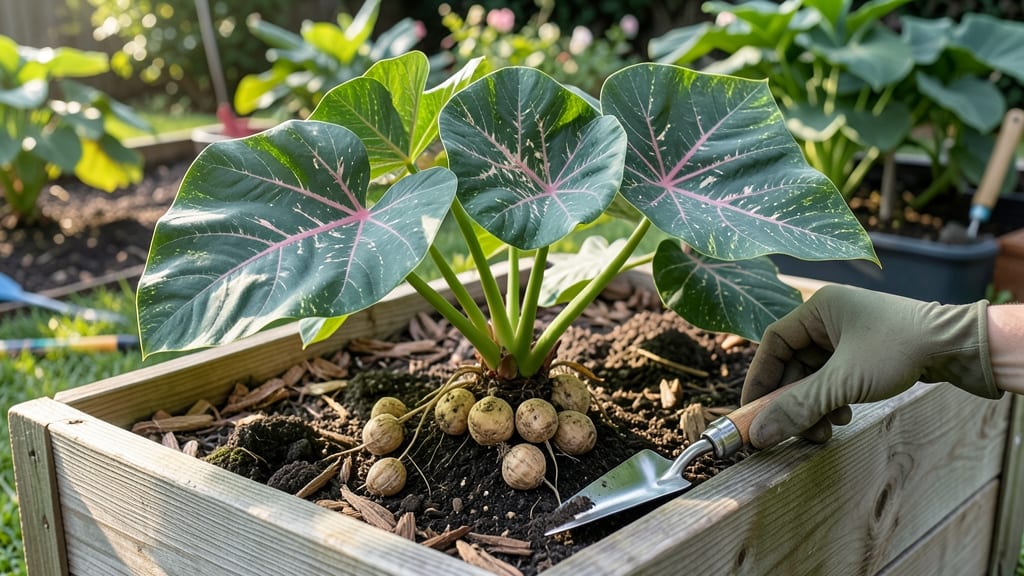
Planting caladium bulbs at the wrong time in Alabama could mean waiting months for those show-stopping leaves—or worse, losing them entirely to frost. The key isn’t just waiting for spring; it’s understanding when your soil actually warms enough for those tubers to thrive in zones 7b-8b.
Most gardeners rush to plant after the last frost date, but caladiums need soil temperatures of at least 65°F to avoid stunted growth. In Alabama, that typically means holding off until mid-April or even early May in cooler pockets like the Tennessee Valley.
I’ve learned the hard way that planting too early leads to limp, yellowing foliage—no matter how vibrant the variety. The solution? A simple soil thermometer check and a few smart adjustments to give your 🌿 caladiums the best possible start.
Let’s break down the exact timing, soil prep, and care tips to ensure your garden bursts with color—without the guesswork. Ready to get those tubers in the ground right?
Ideal soil temperature for planting caladium bulbs in Alabama’s climate zones
Caladiums are tropical divas that demand warmth to thrive, and Alabama’s 7b-8a climate zones create the perfect stage for their dramatic foliage—if you plant them at the right time. The key trigger? Soil temperatures consistently above 60°F for root growth, with optimal conditions at 65°F+.
Planting too early risks stunted growth, while waiting too long can shorten your show-stopping display.
Alabama’s varied microclimates mean Birmingham’s cooler hillsides may need a later start than Mobile’s humid coastal zones. Understanding these differences ensures your caladiums burst into color when they should. Let’s break down the perfect planting windows based on soil warmth and regional frost-free dates.
Why soil temperature matters: Caladium tubers won’t sprout until the ground reaches 60°F, but roots grow best at 65°F+. Testing your soil’s warmth before planting prevents wasted effort and ensures vibrant foliage. Use a soil thermometer (insert 2-3 inches deep) to check daily until you hit the sweet spot.
Here’s your Alabama-specific planting guide based on USDA zones and microclimates, with soil temperature triggers and frost-free dates tailored to your region:
| Region | USDA Zone | Avg. Last Frost | Ideal Planting Window | Soil Temp Trigger | Notes |
|---|---|---|---|---|---|
| North Alabama (Huntsville, Decatur) | 7b | April 15 | May 10–June 1 | 65°F+ (2-3 weeks after last frost) | Cooler microclimates; mulch heavily |
| Central Alabama (Birmingham, Montgomery) | 7b-8a | March 25 | April 15–May 10 | 60°F+ (1-2 weeks after last frost) | Urban heat islands plant earlier |
| South Alabama (Mobile, Gulf Shores) | 8a | March 1 | March 20–April 15 | 58°F+ (immediately after last frost) | Humid climate; watch for fungal risks |
| All Regions (Container Planting) | 7b-8a | N/A | April 1–May 15 | 60°F+ (soil in pots warms faster) | Move containers indoors if night temps drop below 50°F |
If you’re in North Alabama’s cooler zones, wait until the soil hits 65°F+—even if it’s mid-May.
In South Alabama’s humid heat, you can plant as early as March 20 if the ground is above 58°F, but be vigilant for fungal diseases in soggy conditions. Central Alabama gardeners have the most flexibility, with a 3-week window from mid-April to early May.
Pro tip: Use black plastic mulch to warm the soil faster in cooler areas. Lay it down 1-2 weeks before planting to raise ground temperatures by 5-10°F.
This trick is a game-changer for Birmingham’s rocky soil or Huntsville’s late frosts. Just remove it once your caladiums are established to prevent overheating.
Watch for false springs—those warm spells in March that trick you into planting early. A sudden cold snap can kill tender caladium tubers.
Use a minimum-maximum thermometer to track nighttime lows; if temps dip below 50°F, cover your plants with frost cloth or move containers to a sheltered spot.
For container growers, soil warms faster in pots, so you can plant 2-3 weeks earlier than in-ground. Just ensure your containers have drainage holes and use a lightweight potting mix to prevent waterlogging. Move pots indoors if nighttime temps threaten to drop below 55°F.
Remember: Caladiums are heat lovers, but they’ll tolerate brief cool spells once established. The real enemy is cold soil. If you plant too early, your tubers may rot
Step-by-step planting schedule: when to start indoors vs. direct outdoor planting
Timing your caladium bulbs correctly is key to vibrant foliage in Alabama’s humid subtropical climate. Unlike frost-tolerant plants, caladiums demand warm soil (65°F+) and hate cold snaps. Mastering indoor starts vs. direct planting ensures your tubers thrive from spring through fall.
Alabama’s last frost dates range from mid-March (north) to early March (south), but caladiums won’t tolerate chilly soil. Here’s your step-by-step schedule to avoid common mistakes like overwatering or planting too early, which can rot tubers before they sprout.
Late January–Early February for most of Alabama
When soil reaches 65°F+ and night temps stay above 50°F
Skip indoor starts for fast-growing varieties like ‘White Queen’
Gradually expose seedlings to outdoor conditions (morning sun, wind) to prevent shock.
Mulch with 2–3 inches of organic mulch to retain moisture and regulate soil temp.
For urban heat islands (like Birmingham), you can plant 2 weeks earlier than rural areas, as pavement retains heat. Conversely, northern Alabama (e.g., Huntsville) may need to wait until mid-May to avoid late frosts.
Pro tip: Use a soil thermometer to confirm 65°F+ soil temps before planting. If temps dip below 55°F at night, cover tubers with row fabric until stable warmth returns.
Remember, caladiums are tender perennials—they’ll die back in fall but return if tubers stay in frost-free soil. Dig and store them in dry peat moss after foliage yellows, or leave them in protected beds for repeat planting next spring.
🌱