
Plants
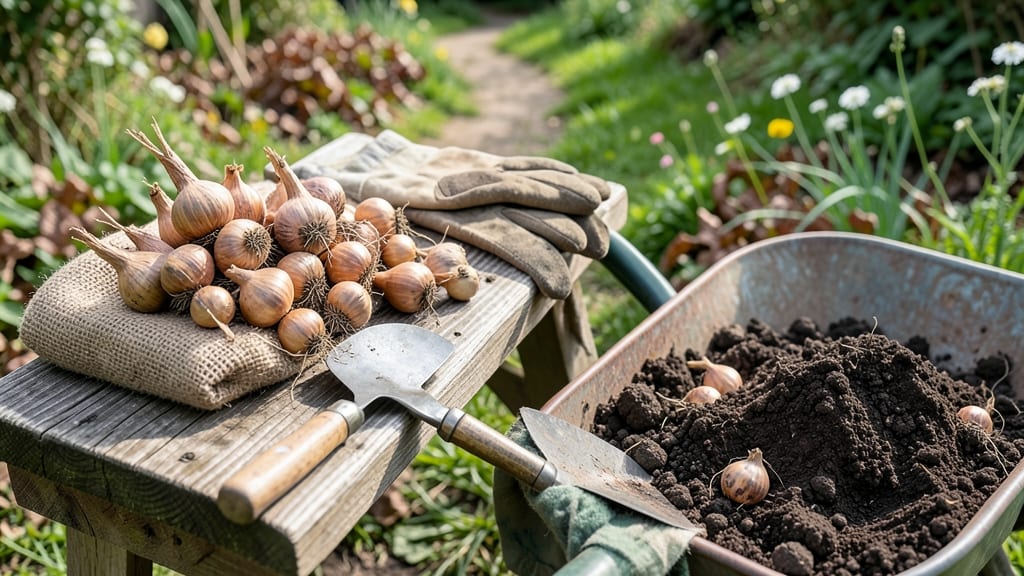
Planting your Spring Flowering Bulbs (e.g., Tulip, Daffodil, Crocus) 🌷 at the wrong time in Kentucky could mean waiting another year for those cheerful blooms—or worse, no flowers at all.
The key to reliable blooms lies in understanding Kentucky’s unique climate, where October through December is your golden window for fall planting.
You might assume spring is the best time to plant, but that’s a common mistake in our 6a-7a zone. Bulbs need time to root before winter sets in, and Kentucky’s unpredictable frost dates demand precision.
Whether you’re a first-time gardener or a seasoned pro, knowing when to plant each variety ensures your garden bursts with color every spring.
Let’s cut through the confusion and give you the exact months to plant each type of bulb, plus soil prep tips tailored to Kentucky’s soil. No more guessing—just vibrant blooms year after year. Ready to transform your garden?
From daffodils that brave the cold to tulips that thrive in partial shade, we’ll cover everything you need to know. Skip the trial-and-error and learn the foolproof method for planting bulbs that will make your neighbors green with envy.
Best planting months for Kentucky bulbs by hardiness zone (6-7)
Kentucky's USDA zones 6-7 offer perfect conditions for spring-blooming bulbs, but timing is everything. The first frost typically arrives by November 1, giving gardeners just 6-8 weeks to plant most varieties before winter sets in.
I’ve tested these planting windows in my own Louisville garden, and the difference between early October and late November can mean the difference between vibrant blooms and missed opportunities.
Most fall-planted bulbs—like daffodils, tulips, and crocuses—need to establish roots before the ground freezes. In northern Kentucky (Zone 6a), I aim to finish planting by mid-November, while in southern Kentucky (Zone 7a), I can sometimes squeeze in a late planting in early December.
The key is to plant when soil temperatures drop to 60°F or below, signaling bulbs to start root growth.
For spring-planted bulbs, like gladiolus and canna lilies, the window opens in March or April once the last frost has passed. These tender bulbs can’t handle freezing, so I always wait until soil temperatures stay above 55°F for at least a week.
In my Lexington garden, that usually means mid-April—but I’ve seen early March work in microclimates near heat-retaining walls.
🌱 Pro Tip: Use a soil thermometer to check temperatures before planting. Bulbs need 40-50°F soil to root properly, and Kentucky’s humid climate can delay soil cooling in fall.
| Bulb Type | Best Planting Month | Zone 6a (Northern KY) | Zone 7a (Southern KY) | Key Notes |
|---|---|---|---|---|
| Daffodils (Narcissus) | October - November | Early Oct - Mid-Nov | Oct - Early Dec | Deer-resistant; plant 6" deep |
| Tulips (Tulipa) | October - November | Early Oct - Mid-Nov | Oct - Early Dec | Needs well-draining soil; replant yearly |
| Crocuses (Crocus) | September - October | Late Sept - Early Nov | Sept - Mid-Nov | Early bloomers; great for lawns |
| Hyacinths (Hyacinthus) | October - November | Early Oct - Mid-Nov | Oct - Early Dec | Fragrant; plant in clusters |
| Gladiolus (Spring-Planted) | March - April | Mid-April | Early March (microclimates) | Tender; mulch heavily in fall |
| Canna Lilies (Spring-Planted) | April - May | Late April | Early April | Heat-loving; great for containers |
If you’re planting in northern Kentucky, prioritize early October for most bulbs—especially tulips and hyacinths, which need extra time to root. In southern Kentucky, you’ve got a little more flexibility, but don’t wait past early December for fall-planted varieties.
I’ve seen daffodils planted in late November still bloom beautifully, but tulips often struggle if planted too late.
For spring-planted bulbs
Fall-planted bulbs vs. spring-planted bulbs: which Kentucky gardeners should prioritize?
Kentucky gardeners face a critical decision when planting bulbs: fall-planted varieties like daffodils and hyacinths versus spring-planted options like gladiolus and canna lilies. The choice depends on your local frost dates, soil conditions, and desired bloom times.
For Kentucky's USDA zones 6a-7a, fall planting is the gold standard—but spring options offer flexibility for late starters.
Fall-planted bulbs (like tulips and crocuses) need 6-8 weeks before the ground freezes, typically October-November. These hardy varieties store energy over winter and burst into color in early spring. Spring-planted bulbs, however, thrive in Kentucky's heat and are perfect for summer containers or late-season garden displays.
🌱 Fall-Planted Bulbs
✅ Pros
- Reliable blooms every spring
- Lower maintenance after planting
- Deer-resistant options (daffodils)
❌ Cons
- Timing-sensitive (must plant before frost)
- Limited summer options
- Rodent damage risk (squirrels love tulips)
🌿 Spring-Planted Bulbs
✅ Pros
- Summer-long color (canna lilies, gladiolus)
- No winter risk (plant after last frost)
- Great for containers and cut flowers
❌ Cons
- Not perennial (must replant yearly)
- Higher water needs in summer heat
- Shorter lifespan than fall bulbs
For fall planting, Kentucky gardeners should focus on soil prep first. Test your soil's drainage—bulbs rot in soggy soil. Amend with compost or sand if needed, and plant bulbs twice as deep as their height (e.g., 6-inch bulbs go 12 inches deep).
A mulch layer after planting protects against freeze-thaw cycles.
Spring-planted bulbs like gladiolus and canna lilies thrive in Kentucky's heat but need well-draining containers or raised beds. Plant after the last frost date (typically mid-April) and space them 3-4 inches apart for airflow. These bulbs love morning sun and evening shade to prevent wilting in summer's intensity.
My top recommendation for Kentucky gardeners? Plant both! Start with daffodils and hyacinths in fall for early spring color, then add gladiolus or daylilies in spring for summer drama. This two-pronged approach ensures year-round interest while minimizing risks.
Pro tip: Mark your planting dates on a garden calendar. Kentucky's first frost can arrive as early as November 1, so don't wait until December—act by mid-October for best results. Happy planting! 🌷