
Plants
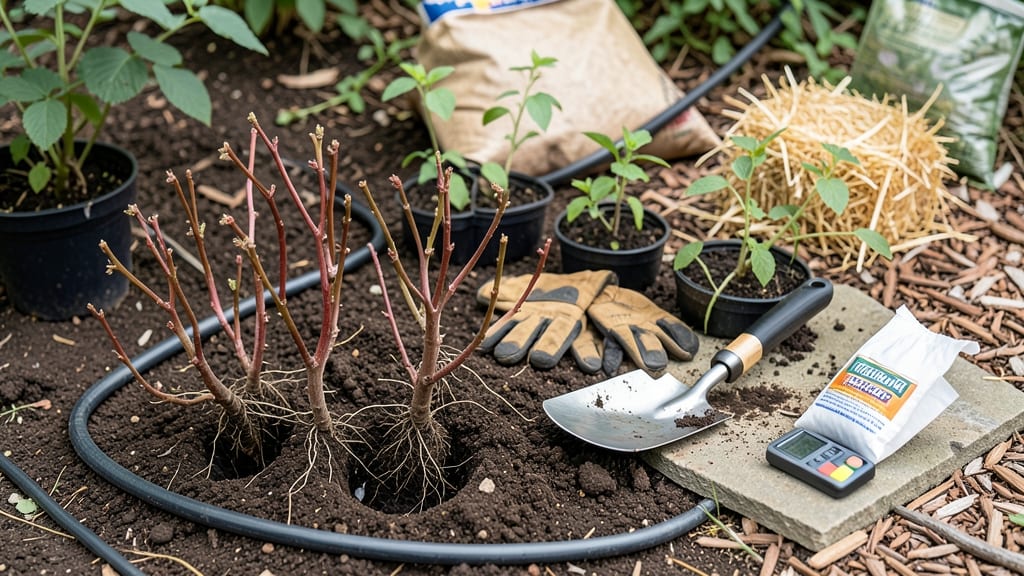
Timing your blackberry planting in Central Texas isn't just about the calendar—it's about matching the 300–500 chill hours your bushes need to thrive before the 100°F+ summers arrive. Plant too early, and your 🫐 canes might wake up too soon, only to wilt under spring heat.
Too late, and you miss the ideal window when soil temps hit 50°F—the sweet spot for root establishment.
Most gardeners in zones 8a-8b swear by late winter to early spring (February–March) as the magic window, but not all blackberries are created equal. Some varieties demand more chill hours than others, and picking the wrong one could mean skirting disappointment.
I’ll walk you through how to choose the perfect cultivar for your yard—and exactly when to get those canes in the ground for maximum success.
Think you can just toss bare-root plants into the dirt and call it a day? Think again. The real secret lies in soil prep, watering schedules, and knowing when to back off before summer hits.
Whether you’re a first-timer or a seasoned grower, these 5 critical steps will help your blackberries take root like a pro—and keep producing juicy berries for years to come.
Ready to avoid the common mistakes that leave Central Texas gardeners scratching their heads? Let’s dive into the exact timeline, variety picks, and care tips that’ll turn your blackberry patch from a maybe into a must-have harvest every season.
Central Texas chill-hour zones: how to pick blackberry varieties that won’t struggle
Central Texas gardeners face a unique challenge when growing blackberries: the region’s 300–500 chill hours during winter. These hours are critical for breaking dormancy and ensuring strong fruit production.
If you plant a variety needing 800 chill hours, like Triple Crown, you’ll end up with weak canes and poor yields. The solution? Choose chill-hour-adapted varieties that thrive in our climate.
First, verify your exact chill-hour range using the USDA Plant Hardiness Zone Map and local weather data. Most of Central Texas falls in USDA Zone 8a-8b, with chill hours typically ranging from 300–500.
For example, Austin averages around 450 chill hours, while San Antonio sits closer to 400. Use tools like the Texas A&M AgriLife Extension chill-hour calculator to pinpoint your location’s exact number.
Here’s the comparison table of top-performing blackberry varieties for Central Texas, matched to chill-hour needs:
The Arapaho and Natchez varieties are my top picks for most Central Texas gardeners. They require fewer chill hours, making them ideal for our climate. Arapaho is particularly forgiving for beginners because it’s thornless and produces fruit reliably even in 300–400 chill-hour zones.
Meanwhile, Ouachita is perfect if you’re in a slightly cooler microclimate or want a more robust yield for larger harvests.
If you’re unsure about your chill-hour range, start with Natchez. It’s a versatile choice that performs well in 350–450 chill-hour zones and delivers juicy, sweet berries perfect for fresh eating or jams.
For those with 500+ chill hours, like parts of the Hill Country, Choctaw is a powerhouse but requires more maintenance due to its thorns.
Once you’ve selected your variety, avoid the temptation to plant too early. Blackberries need soil temperatures above 50°F (10°C) to establish roots properly. In Central Texas, this typically aligns with mid-February to early March, right after the last frost date.
Planting too early can lead to root rot or stunted growth, while waiting too late may mean missing the optimal chill-hour window.
Pro tip: Pair your variety choice with mulching to extend chill hours naturally. A thick layer of straw or wood chips (3–4 inches) around the base of your plants can add 50–100 extra chill hours during winter, giving varieties like Ouachita a better chance to thrive in marginal zones.
Just be sure to remove the mulch in early spring to avoid soil compaction or fungal issues.
Finally, don’t overlook the importance of soil pH. Blackberries prefer a slightly acidic soil in the 5.5–6.5 range. Central Texas’ native clay soils often lean alkaline, so test your soil and amend it with sulfur or peat moss if needed.
This small step can make the difference between a struggling plant and a bountiful harvest.
With the right variety and timing, your blackberries will reward you with
Step-by-step planting timeline for Central Texas: from chill-hour awakening to summer survival
Central Texas blackberry planting hinges on chill-hour accumulation and soil temperature thresholds. The window between October and February offers the perfect balance of cool soil and dormant season prep—critical for root establishment before summer’s heat arrives.
Miss this timing, and your plants may struggle with heat stress or poor fruiting.
For bare-root blackberries, aim for planting when soil temps drop to 50°F (10°C)—typically late November to early February. Potted plants, however, can handle slightly warmer soil (55°F/13°C) and tolerate a February extension.
Always check your local frost dates (Central Texas averages last frost on February 15) to avoid early-spring heatwaves.
Prepare soil with 2–3 inches of compost and adjust pH to 6.0–6.5. Test for drainage issues—blackberries hate soggy roots. Mark planting spots with stakes for winter visibility.
Plant bare-root blackberries when soil temps hit 50°F (10°C). Space 4–6 feet apart in rows 8–10 feet apart. Bury roots 2 inches deeper than they were in the nursery to encourage strong root growth. Mulch heavily (3–4 inches) with straw.
Monitor for freezing temps (<32°F/0°C). If frost threatens, cover young plants with row covers or burlap. Avoid fertilizing—focus on watering lightly if soil is dry. Prune dead canes in late winter (February) to prep for spring flush.
Last call for potted blackberries—plant by February 15 to avoid early-spring heat stress. After planting, water deeply (2–3 gallons per plant) and apply mulch to retain moisture. Do NOT fertilize until new growth appears (March).
Post-planting care is where Central Texas gardeners often fail. Many assume blackberries are drought-tolerant and neglect consistent watering during root establishment. Aim for 1–2 inches of water weekly (deep soaks, not frequent light watering) until plants are 2 feet tall.
Overhead watering? Stop by noon to prevent fungal diseases like anthracnose.
Pro tip: Install a drip irrigation system on a timer for hands-off moisture control. Pair it with shade cloth (30–50%) during March heatwaves to protect young canes. By April 1, your blackberries should be actively growing—a sign you’ve nailed the timing!
Remember: No planting after February 15 for Central Texas. After that, the 100°F+ summers will fry tender roots before they establish. Stick to this timeline, and you’ll harvest sweet, juicy blackberries by June or July—not the tart, seedy berries that result from poor timing.