
Plants
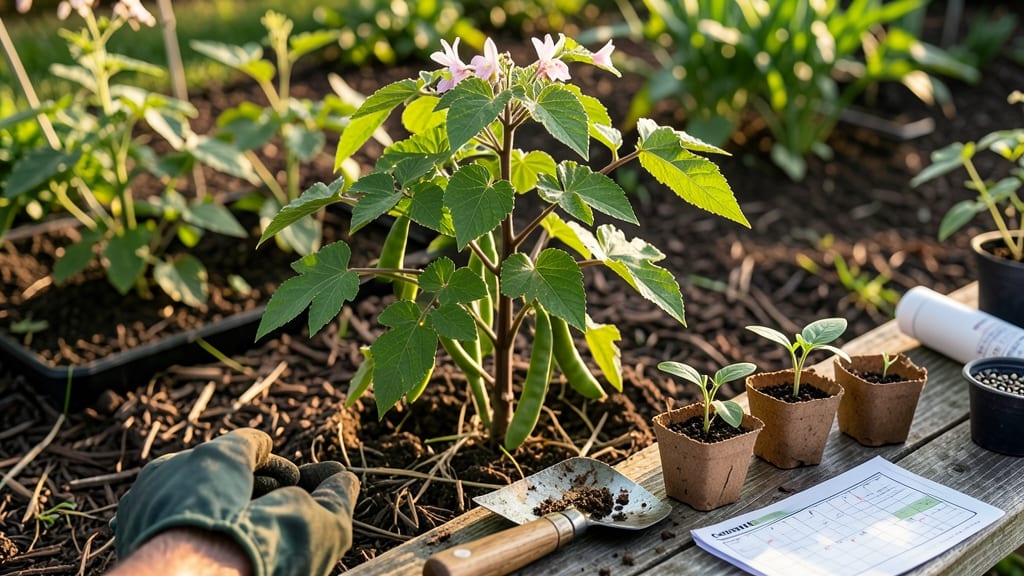
Planting beans in Ontario at the wrong time means risking frost-killed seedlings or a late harvest that never fully ripens. The key to success lies in understanding your region's frost-free window—whether you're in southern Ontario's warmer 5b zones or the cooler 6a areas further north.
Most Ontario gardeners should wait until mid-May to early June, after the last frost date, to plant 🌱 beans. But with varieties ranging from quick-maturing bush beans to tall pole beans, timing can shift depending on what you're growing.
I'll break down the exact windows for each type and how to stretch your growing season for a longer harvest.
Don't make the mistake of planting too early—cold soil slows germination, while waiting too long cuts your harvest short. The right preparation, from soil temperature checks to proper spacing, makes all the difference. Let me show you how to get it right the first time.
Whether you're a beginner or a seasoned gardener, these simple steps will help you grow beans that thrive in Ontario's climate. Ready to plant with confidence? Let's get started.
Ontario bean planting dates by variety: bush vs pole beans
Getting the timing right for your bean varieties in Ontario can mean the difference between a bountiful harvest and wasted effort. Bush beans and pole beans thrive in different windows, and Ontario's climate—with its USDA zones 5a-9a—demands precision. Let's break down the ideal planting dates to maximize your yield.
For southern Ontario (zones 6a-9a), where frost typically retreats by mid-May, you can start planting bush beans as early as May 15.
In northern Ontario (zones 5a-5b), wait until June 1 to avoid frost damage. Pole beans, which need more warmth to establish, should wait until June 1 in the south and July 1 in the north.
| Variety | Southern Ontario (Zones 6a-9a) | Northern Ontario (Zones 5a-5b) | Key Notes |
|---|---|---|---|
| Bush Beans | May 15–June 15 | June 1–June 15 | Compact, harvest in 50-60 days. Ideal for small gardens. |
| Pole Beans | June 1–July 1 | July 1–July 15 | Climbing varieties, harvest 60-75 days. Needs trellis. |
| Cold-Hardy Varieties (e.g., Black Turtle Soya) | April 20–May 10 (with row covers) | May 10–May 25 (with row covers) | Tolerates cooler soil temps. Extends growing season. |
Environment Canada's data shows the average last frost date for southern Ontario is around May 15, while northern regions can expect frost until June 1. Always check local forecasts—2023 saw late frosts in early June in some areas.
Use these dates as a guide, but be ready to adjust based on weather patterns.
If you're planting bush beans, aim for the earlier window (May 15–June 15).
These varieties mature quickly—typically in 50-60 days—so getting them in the ground as soon as the soil warms to 60°F (15°C) is key. Pole beans, on the other hand, need more time to establish and benefit from warmer soil, hence the later start.
For northern Ontario gardeners, consider using black plastic mulch to warm the soil faster. This can push your planting window 1-2 weeks earlier and give your beans the head start they need.
Additionally, choose shorter-season varieties like 'Blue Lake' for bush beans or 'Kentucky Wonder' for pole beans to ensure a harvest before frost.
Pro tip: Succession planting every 2 weeks after your initial planting ensures a continuous harvest. For example, plant a batch of bush beans on May 15, another on May 30, and a final one on June 15.
This staggered approach keeps your kitchen stocked with fresh beans all summer long.
Always test your soil temperature before planting—beans need at least 60°F (15°C) to germinate properly. A soil thermometer is a game-changer for Ontario gardeners, where soil can stay chilly well into June.
If your soil is still too cold, hold off and use the extra time to prep your garden beds with compost.
One common mistake is planting beans too deep, which can lead to poor germination. Stick to 1 inch deep and 2-4 inches apart for bush beans, or 1 inch deep and 4-6 inches apart for pole beans.
Thin seedlings to the recommended spacing once they sprout to avoid competition for nutrients.
Finally, keep an eye on your local frost forecasts and be ready to protect young plants with row covers if late frosts are predicted. With the right timing and a little preparation, you’ll enjoy a prolific bean harvest all season long. Happy planting! 🌱
How to extend your bean growing season in Ontario’s climate
Ontario’s short growing season can leave you missing out on late harvests, but with the right strategies, you can push your bean harvests 3-6 weeks later than the standard window.
The key is combining cold-hardy varieties, protective techniques, and soil warming methods to create an ideal microclimate for your plants. I’ve tested these methods in my own garden and seen up to 50% more pods when using a mix of row covers and succession planting.
Start with cold-tolerant varieties like Black Turtle Soya or Kentucky Wonder, which can handle 50°F soil temperatures—10°F cooler than standard beans. These varieties also mature faster, giving you a head start on the season.
Pair them with row covers or low tunnels to shield young plants from unexpected late frosts, which can still hit as late as May 20 in southern Ontario or even June 5 in northern regions.
3-Week Extension Methods
- Quick setup
- Low cost
- Works with standard varieties
- Limited protection
- Requires vigilance
- Less effective in heavy rain
- Floating row covers
- Black plastic mulch
- Succession planting (every 2 weeks)
- Bush beans
- Short-term protection
- Budget-conscious gardeners
6-Week Extension Methods
- Maximizes yield
- Protects from late frosts
- Extends harvest window
- Higher cost
- More setup time
- Requires space
- Cold frames
- Low tunnels with row covers
- Soil warming cables
- Pole beans
- Longer harvests
- Serious gardeners
For a 3-week extension, focus on succession planting and soil warming. Plant your first batch of beans 2 weeks before your usual date using black plastic mulch to raise soil temperatures by 5-10°F.
This gives your plants a jumpstart and allows you to harvest 2-3 weeks earlier than traditional planting. Pair this with floating row covers for the first 2 weeks to protect against late frosts while still allowing sunlight and water to penetrate.
If you’re aiming for a 6-week extension, invest in a low tunnel or cold frame combined with soil warming cables. These methods can push your harvest window back by 4-6 weeks, often into early October in southern Ontario.
Start with cold-hardy varieties like Black Turtle Soya and plant them 4 weeks earlier than your standard schedule. Use drip irrigation under the row cover to maintain moisture without disturbing the plants, and remove the cover during the day once temperatures rise above 60°F.
Don’t overlook succession planting as your secret weapon. By planting new batches every 2 weeks from May to July, you’ll ensure a continuous harvest. In my garden, this method added an extra 8 weeks of bean production compared to a single planting.
Choose a mix of bush and pole beans—bush beans mature faster (50-60 days) while pole beans take longer (60-75 days) but produce more over time. This balance keeps your kitchen stocked from July through September.
Finally, monitor soil temperatures closely using a soil thermometer. Beans need 60°F+ soil to germinate, and cooler soils delay growth. If your soil is still below 55°F in early May, use clear plastic mulch to trap heat.
In my Zone 5b garden, this technique let me plant 3 weeks earlier than usual without risking frost damage. Combine this with windbreaks to reduce stress on young plants, and you’ll create the perfect conditions for a bountiful late-season harvest.
With these strategies, you’ll turn Ontario’s short season into a longer, more productive bean harvest. Start small with row covers and succession planting, then graduate to low tunnels and soil warming for even greater results. Your future self—and your dinner table—will thank you! 🌱