
Plants
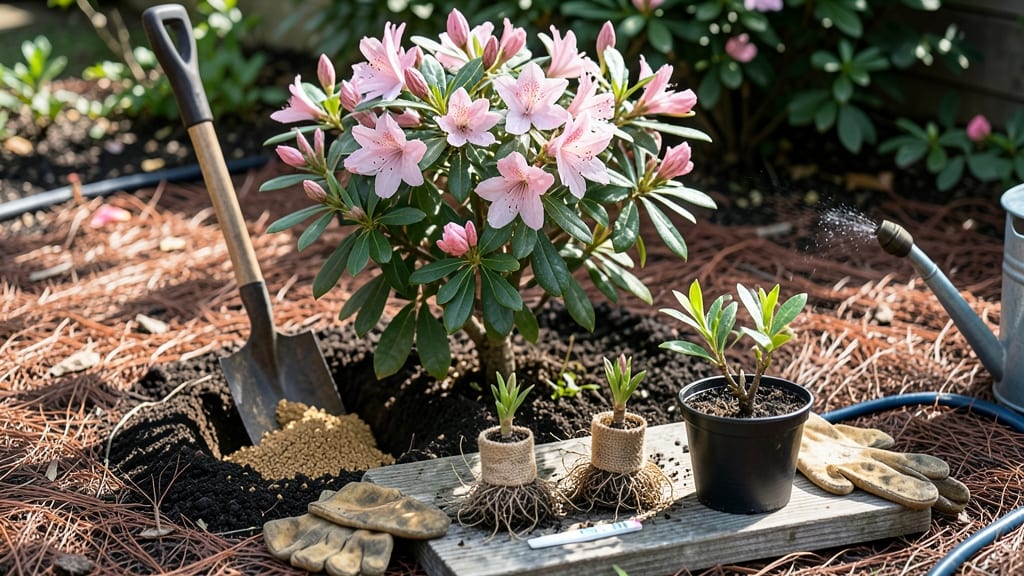
Planting azaleas in Atlanta isn't just about timing—it's about matching their chill-hour needs to your 7b-8a zone for those showstopping spring blooms. Skip the guesswork and you could end up with weak roots or missed blooms, no matter how much you love your 🌸 shrubs.
Atlanta’s humid climate means azaleas need a cool but not freezing window to establish roots before summer heat hits. The best months—October through November—give them just enough chill to wake up strong in spring, while early March offers a second chance if you missed fall.
Here’s the game-changer: Southern azaleas thrive with 300-600 chill hours, while Northern varieties need up to 1,000. Atlanta’s 600-1,000 hour range means you can grow both, but the timing shifts based on variety. Let’s break down exactly when to plant yours for maximum impact.
Whether you’re a first-time gardener or a seasoned Atlanta green thumb, these insights will help you avoid common pitfalls—like overwatering or planting too late—and set your azaleas up for years of vibrant color. Ready to get started?
Optimal azalea planting windows in Atlanta based on chill-hours
Atlanta’s 600-1,000 chill-hours create a unique challenge for azalea growers. Unlike northern climates, Southern azaleas thrive with fewer chill-hours, while Northern varieties need more. Getting this balance right means the difference between vibrant spring blooms and struggling plants.
The key is planting when soil temps sit between 40-60°F—this window aligns perfectly with Atlanta’s fall and early spring seasons.
Fall planting (October-November) gives azaleas time to establish roots before winter’s mild chill period. Spring planting (March) works for Southern cultivars that need minimal chill-hours, but risks heat stress for Northern varieties. Understanding your azalea’s chill-hour needs is the first step to success in Atlanta’s USDA Zone 7b-8a climate.
| Azalea Type | Chill-Hours Needed | Best Planting Window | Soil Temp Threshold | Atlanta Months |
|---|---|---|---|---|
| Southern Cultivars (e.g., 'Southern Charm', 'Georgia Belle') | 300-600 hours | Fall or Early Spring | 40-55°F | October-November or March |
| Northern Cultivars (e.g., 'Hino Crimson', 'Girard's Pink') | 600-1,000 hours | Late Fall Only | 50-60°F | October-November |
| Evergreen Azaleas (e.g., 'Formosa', 'Korean') | 400-700 hours | Fall Preferred | 45-55°F | October-November |
| Deciduous Azaleas (e.g., 'Alice', 'Avalanche') | 500-900 hours | Fall or Early Spring | 40-60°F | October-November or March |
Southern azaleas like 'Southern Charm' only need 300-600 chill-hours, making them ideal for Atlanta’s mild winters. Plant these varieties in October or March when soil temperatures hover around 40-55°F. These plants bloom reliably with minimal chill exposure, perfect for Atlanta’s climate.
Northern cultivars such as 'Hino Crimson' require 600-1,000 chill-hours, which Atlanta’s winters typically provide. However, planting these in late fall (October-November) ensures they get enough chill before spring growth. Avoid spring planting—these varieties struggle with Atlanta’s heat if transplanted too late.
Evergreen azaleas like 'Formosa' bridge the gap with 400-700 chill-hours. They thrive when planted in fall (October-November) when soil temps are 45-55°F. Their dark foliage adds year-round interest, but they need consistent moisture to handle Atlanta’s humidity.
Deciduous azaleas such as 'Alice' are the most adaptable, needing 500-900 chill-hours. You can plant these in fall or early spring, but fall planting gives roots more time to establish before winter. Their vibrant spring blooms reward precise timing.
Atlanta’s first frost typically arrives November 15, so aim to plant by mid-November for root establishment before winter. If you miss fall, March planting works for Southern cultivars but risks heat stress for Northern types.
Always check soil temps with a soil thermometer—40-60°F is ideal for root growth.
Microclimates matter in Atlanta. North-facing yards stay cooler longer, extending your planting window into early December. South-facing areas dry out faster, so plant earlier in October to avoid transplant shock. Always choose a spot with partial shade to protect azaleas from Atlanta’s intense afternoon sun.
Timing isn’t just about months—it’s about chill-hours. Use a chill-hour calculator to match your azalea variety to Atlanta’s climate. Southern types bloom best with 300-600 hours, while Northern varieties need 600-1,000 hours. Get this right, and you’ll enjoy showstopping spring blooms year after year.
Step-by-step fall planting guide for Atlanta azaleas
Fall is the perfect time to plant azaleas in Atlanta, when temperatures cool and soil remains warm enough for root growth. Between October and November, you’ll give your azaleas a head start before winter’s chill sets in.
The key? Balancing soil prep, watering consistency, and mulching to protect roots during Atlanta’s mild winters.
Atlanta’s clay-heavy soil and acidic pH needs (5.0–6.0) require extra attention. If your soil isn’t naturally acidic, amend it with peat moss or sulfur before planting.
Test your soil first—most garden centers offer pH test kits for under $10. Azaleas thrive in well-draining soil, so avoid low spots where water pools.
Your Fall Azalea Planting Timeline
- Step 1: Choose your azaleas in early October. Look for 1-2 gallon containers with healthy roots (no circling roots). Southern varieties like ‘Georgia Bells’ or ‘Formosa’ thrive in Atlanta’s climate.
- Step 2: Dig holes twice as wide as the root ball but no deeper. Loosen the bottom 6 inches of soil to encourage root spread. Mix in compost or pine bark fines for drainage.
- Step 3: Plant in October when soil temps are 60–70°F. Remove the plant from its container, gently tease roots, and place it in the hole so the top of the root ball sits 1 inch above ground level.
- Step 4: Water deeply immediately after planting—aim for 1–2 gallons per plant. Keep soil consistently moist (not soggy) for the first 4–6 weeks to help roots establish.
- Step 5: Mulch heavily (3–4 inches) with pine straw or shredded bark. Keep mulch 2 inches away from the stem to prevent rot. Replenish mulch in late winter before buds swell.
- Step 6: Fertilize lightly in November with a slow-release, acid-loving formula (like 10-10-10). Avoid high-nitrogen fertilizers—they can burn tender roots.
After planting, monitor soil moisture closely. Atlanta’s fall weather can be unpredictable, with sudden rain followed by dry spells. Use your finger to check 1–2 inches deep—if it’s dry, water slowly until moisture reaches the roots. Overwatering is just as harmful as underwatering, especially in clay soil.
By mid-November, reduce watering slightly but keep the soil from drying out completely. Azaleas go dormant in winter, but their roots still need moisture to survive Atlanta’s occasional freezing temps.
A 3-inch layer of mulch acts like a blanket, protecting roots from temperature swings and soil compaction.
If you plant in late November, choose hardier varieties like ‘Ralph S. Moore’ and avoid disturbing the soil further. These azaleas can handle shorter chill periods (500–600 hours), making them ideal for Atlanta’s USDA Zone 7b–8a.
With the right care, your azaleas will reward you with vibrant spring blooms—and fewer pests than spring-planted shrubs! 🌸