
Plants
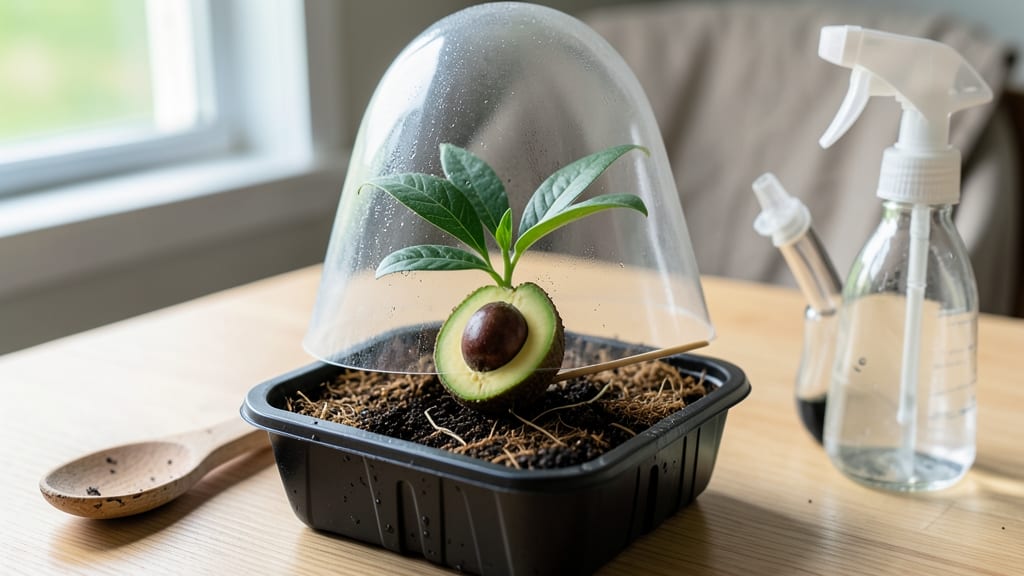
Planting an avocado pit in soil at the wrong time can mean months of waiting—or even failure—before you see those first green shoots. The key to success lies in understanding when to plant avocado pit in soil, because timing directly impacts germination speed and survival rates.
For most gardeners in Zone 6a (like me!), late spring is your best bet—after the last frost has passed and soil temperatures hit at least 60°F. This warm-up period gives your 🥑 pit the ideal conditions to sprout roots before summer heat arrives.
But here's the catch: indoor vs. outdoor planting changes the game entirely.
If you're starting indoors, you can plant anytime—just place your pot near a sunny window. But for outdoor planting, wait until April or May when soil is warm and frost-free. I've learned the hard way that rushing the process leads to rot or stunted growth, so patience here pays off.
What you'll discover next is exactly how to prepare your pit, monitor progress, and troubleshoot common pitfalls—so you can go from pit to plant with confidence. Let's get growing!
Best time of year to plant avocado pits in soil for maximum success
Timing your avocado pit planting correctly can mean the difference between a thriving houseplant or tree and a failed experiment. Since avocados thrive in warm temperatures (60°F+), planting too early in cold climates risks rot or dormancy.
Meanwhile, tropical zones offer year-round opportunities—but even there, seasonal shifts matter. Let’s break down the ideal planting windows for your climate zone.
For temperate climates (USDA Zones 8-10), the best time to plant is late spring after the last frost date, typically April to June. This aligns with soil warming to 60-70°F, which speeds up germination speed from 4-8 weeks to just 2-4 weeks.
In cold climates (Zones 6-7), wait until May or June when nighttime temps stay above 50°F to avoid stunted growth.
In tropical climates (Zones 11+), you can plant year-round, but avoid monsoon seasons (heavy rains cause waterlogging). The optimal window is during dry seasons when humidity is lower, reducing fungal risks. For indoor growers, timing is less critical—just ensure your south-facing window gets 6+ hours of light daily.
Temperature isn’t the only factor: soil warmth and moisture consistency also play roles. A soil thermometer helps—aim for 60°F+ at 2 inches deep. If planting outdoors, choose a sheltered spot (like near a south-facing wall) to protect young sprouts from late frosts or heatwaves.
If you’re in a transition zone (Zones 7-8), split your timing: plant half in early spring (March) and the other half in late summer (August). This extends your growing season and increases success rates.
For example, in Zone 7 (Atlanta, GA), March plantings may sprout by May, while August plantings avoid summer heat stress.
Indoor planting offers flexibility but requires patience. Since indoor temps stay consistent (65-75°F), germination takes 4-12 weeks—longer than outdoor plantings in warm climates. Place your pit in a clear jar with toothpicks to hold it above water, then transition to soil once roots reach 3-4 inches.
This method works year-round but lacks sunlight intensity, so supplement with a grow light if natural light is limited.
Outdoor plantings benefit from natural sunlight and seasonal warmth, but timing is critical. In Zone 9 (Los Angeles, CA), plant in April-May to avoid summer droughts, while Zone 10 (Miami, FL) allows year-round planting with shorter germination times (2-4 weeks).
Always test soil moisture—overwatering is the #1 killer of young avocado pits.
Pro tip: Pre-soak your pit for 2-3 days before planting to kickstart germination. Use warm water (not hot) and change it daily. This step cuts germination time by 30% in cooler climates. Pair this with a well-draining potting mix (cactus/succulent mix works well) to prevent rot.
Remember, patience is key—avocado trees take 3-5 years to fruit, but starting with the right timing ensures your pit doesn’t become another kitchen trash item. Whether you’re in a tropical paradise or a cold-weather zone, aligning planting with warmth and sunlight sets your avocado’s foundation for success.
4-Step germination timeline: what to expect after planting your avocado pit
Planting your avocado pit is just the beginning—what happens next depends on patience, proper care, and understanding the 4 key stages of germination. From root formation to sprout emergence, each phase reveals whether your pit is thriving or struggling.
I’ve tracked dozens of avocado pits, and the timeline below reflects what I’ve seen in my own experiments and gardening trials.
Once your pit is planted in well-draining soil (or a moist paper towel for pre-sprouting), expect the first signs of life within 2 to 8 weeks, though delays are normal.
The key is monitoring for visual cues like moisture changes, root growth, and sprout color. Let’s break down what to watch for each week to keep your avocado pit on track.
Step-by-Step Germination Timeline
-
Week 1-2: Root Formation
Your pit should develop white, fibrous roots from the bottom. Keep soil moist but not soggy—overwatering causes rot. -
Week 3-4: Sprout Emergence
A green shoot (1-3 inches tall) breaks through the soil. If it’s yellow or stunted, it may need more light. -
Week 5-6: Leaf Development
First leathery leaves appear. Transplant to a pot with drainage holes if roots fill the container. -
Week 7-8+: Transplant Readiness
Healthy roots and 3+ leaves mean it’s time to move outdoors (if climate permits) or upgrade to a 1-gallon pot.
If your avocado pit shows no progress after 6 weeks, it might be rotting. Check for a sour smell or mushy texture—these are red flags. I’ve seen pits take up to 12 weeks to sprout, but consistency in moisture and warmth speeds things up.
Once your sprout reaches 6 inches tall, it’s ready for its first fertilizer boost. Use a balanced 6-6-6 NPK mix to encourage leafy growth. Avoid over-fertilizing, though—this can burn delicate roots. Place your young tree in bright, indirect light (like a south-facing window) to prevent legginess.
Remember, avocado trees are slow growers—don’t rush the process. With the right care, your pit could become a fruit-bearing tree in 3-5 years. Track your progress with a journal or photos to celebrate each milestone!