
Companion Plants
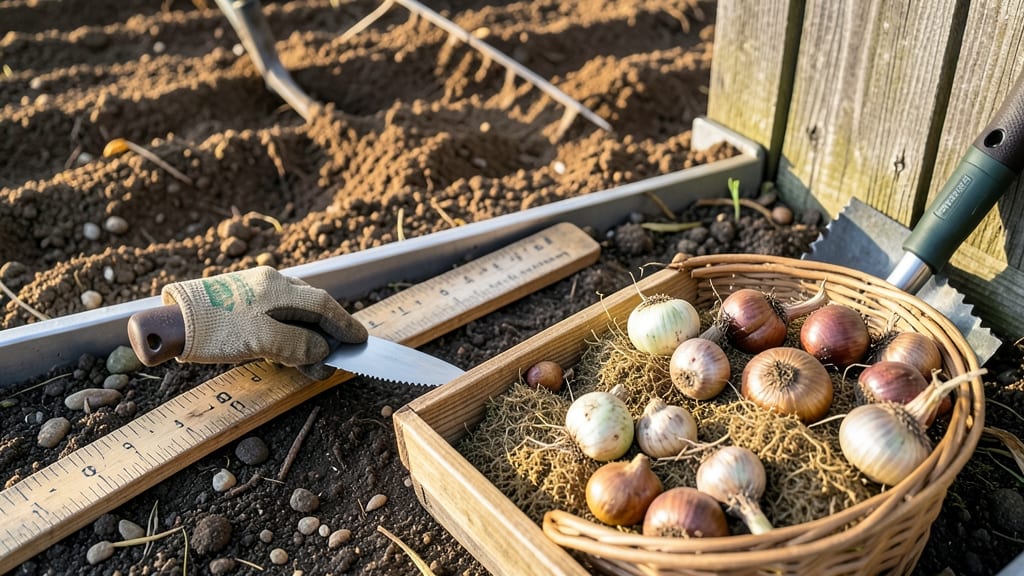
Planting bulbs in the fall is your secret weapon for a showstopping spring garden—get the timing wrong, and you might as well toss those 🌱 treasures into the compost.
The difference between a thriving display of tulips and daffodils next year and a sad, half-hearted attempt often comes down to those 6-8 weeks before frost.
If you're in USDA Zone 6a (like me), that window typically lands in September or early October, but the exact moment depends on your local climate. Too early, and your bulbs might sprout before winter sets in; too late, and they won’t establish strong roots before the ground freezes.
The goal? Plant them when soil temps hover around 40-50°F—cool enough to deter early growth but warm enough for root development.
Here’s the good news: even if you’re not a seasoned gardener, this guide will walk you through the exact months for your zone, soil prep tricks, and pro tips to ensure your bulbs survive the winter like champs. No more guessing—just a foolproof plan for a garden that wows.
Let’s dive into how to time it perfectly so you’re not left with wasted effort (or worse, a barren spring). Your future self will thank you when those first shoots poke through the soil next year!
Fall bulb planting calendar by USDA hardiness Zones (exact months for success)
Timing your fall bulb planting is like hitting a moving target—too early, and roots won’t establish before winter; too late, and frost will kill tender shoots. The key? Plant when soil temps hit 40-50°F (6-8 weeks before first frost).
This ensures bulbs like tulips and daffodils root deeply but don’t sprout too soon. Your USDA zone dictates the exact window, so let’s break it down by region to avoid common mistakes.
Northern gardeners in Zones 3-5 face the harshest deadlines—plant crocuses and alliums by early October, or risk frost damage. Meanwhile, Southern gardeners in Zones 8-10 have until November, but watch for early freezes.
Each zone’s calendar balances root establishment with frost survival, so let’s dive into the specifics to plant with confidence.
| USDA Zone | Ideal Planting Window | Early Planting Risk | Late Planting Risk | Best Bulbs for Zone |
|---|---|---|---|---|
| Zones 3-4 | Mid-September to early October | Roots rot in soggy soil | Frost kills shoots before blooming | Daffodils, crocuses, alliums |
| Zones 5-6 | Late September to mid-October | Weak root growth before freeze | Bulbs heave from freeze-thaw cycles | Tulips, hyacinths, snowdrops |
| Zones 7-8 | October to early November | Minimal (mild winters) | Early freezes damage tender bulbs | Lilies, fritillaries, rain lilies |
| Zones 9-10 | November to early December | N/A (warm soils) | Christmas blooms if planted late | Calla lilies, cannas, daylilies |
In Zones 3-4, where winters are brutal, aim for mid-September planting. This gives daffodils and crocuses enough time to root before the ground freezes.
Planting too early (August) risks rot from wet soil, while waiting until November leaves bulbs vulnerable to frost heaving—when freeze-thaw cycles push them out of the ground.
Gardeners in Zones 5-6 have a slightly longer window—late September to mid-October—but timing still matters. Tulips, for example, need 6-8 weeks to root before winter.
Planting in early October might work, but if your area gets an early frost, bulbs could sprout too soon and die back. Use a soil thermometer to confirm temps are below 60°F before planting.
For Zones 7-8, where winters are milder, you can push planting into early November. This is ideal for lilies and fritillaries, which thrive in warmer climates. However, a late frost can still damage tender shoots, so monitor your local frost date and adjust accordingly.
In these zones, late planting (December) might still yield blooms if winters are exceptionally mild.
Southern gardeners in Zones 9-10 can plant bulbs like calla lilies well into December, but the real magic happens with spring-blooming bulbs planted in fall.
The key here is soil moisture—these zones often have dry falls, so water deeply after planting to encourage root growth before the rainy season arrives.
Pro tip: Use mulch (3-4 inches of straw or leaves) after planting to insulate bulbs and retain moisture. This is especially critical in Zones 5-8, where temperature swings can cause bulb heaving. Mulch also protects against voles, which love to snack on newly planted bulbs during winter.
If you miss the ideal window, don’t panic! Late planting (even in December) can still work in Zones 6-10, though blooms may be delayed. The trade-off? Bulbs planted too late might not establish as strong root systems, leading to smaller flowers or fewer blooms next spring.
For Zones 3-5, however, late planting is a gamble—stick to the calendar or risk losing your investment.
Remember, bulb depth and spacing also affect survival. Plant tulips and daffodils 6-8 inches deep, while crocuses
Critical factors that determine your perfect planting window (beyond just dates)
Timing your fall bulb planting isn't just about checking a calendar—it's about understanding soil temperature, bulb hardiness, and your local microclimate. Most gardeners focus on frost dates, but root establishment happens before the ground freezes.
For example, tulips and daffodils need 4-6 weeks of cool soil to form strong roots before winter dormancy. Planting too early can lead to rot, while waiting too long risks shallow roots that freeze.
Your USDA hardiness zone sets a baseline, but local microclimates can shift that window by weeks. A south-facing slope warms faster than a shady corner, while urban areas often stay 5-10°F warmer than rural spots.
Even within the same zone, elevation changes can delay soil cooling by 2-3 weeks. For instance, a Zone 5 garden at 3,000 feet might have a 3-week later planting window than one at sea level.
Bulbs aren't all created equal—hardy varieties like crocuses and alliums tolerate colder soils down to 35°F, while tender bulbs such as dahlias or cannas must go in when soil hits 60°F and be dug up before frost.
Mixing these up can mean wasted bulbs or failed blooms next spring. Always check the specific variety's requirements before planting.
⚠️ Planting Too Late? Here’s How to Adjust
If your first frost arrives earlier than expected, don’t panic—bulbs planted in 40-50°F soil can still root if protected. For Zone 4-6, aim for 6 weeks before frost; in Zone 7+, stretch to 8 weeks.
Use straw mulch (4-6 inches) to insulate roots and prevent soil heaving. For tender bulbs, plant in containers and move them to a garage or basement before freezing.
Pro Tip: Test soil temp with a thermometer—ideal planting temps are 40-50°F at 4-inch depth. If temps drop below 35°F, delay planting until spring for hardy bulbs.
Don’t overlook soil moisture—bulbs need consistent moisture to root but won’t tolerate soggy soil. Plant in well-draining soil and water deeply after planting, then reduce watering as temps drop. In clay-heavy soils, amend with compost or sand to prevent rot.
For sandy soils, mix in peat moss to retain moisture. Even the best planting timing fails if roots suffocate or dry out.
Early freezes or unpredictable weather can throw off your plans. If a hard freeze hits before bulbs root, cover them with straw or leaves to protect emerging shoots. In delayed fall years, plant hardy bulbs first (like snowdrops) and save tender varieties for spring.
For Zone 8-10, where winters are mild, plant fall-blooming bulbs like caladiums in late fall to avoid summer heat stress.
Your garden’s history matters too. If last year’s bulbs heaved (pushed out of soil by freeze-thaw cycles), plant deeper this year—3x the bulb’s height for tulips, 2x for daffodils. In areas with frequent freeze-thaw cycles, add extra mulch (6+ inches) after planting.
For container gardens, use heavy pots to stabilize bulbs and prevent shifting. Small adjustments based on past experiences can double your success rate.
Ultimately, the perfect planting window balances soil temp, bulb type, and local conditions. Start with your first frost date, then adjust for soil warmth and microclimates.
When in doubt, plant early—bulbs wait patiently for spring, but roots won’t regrow once frozen. With these factors in mind, you’ll maximize blooms and minimize losses next spring. 🌱