
Plants
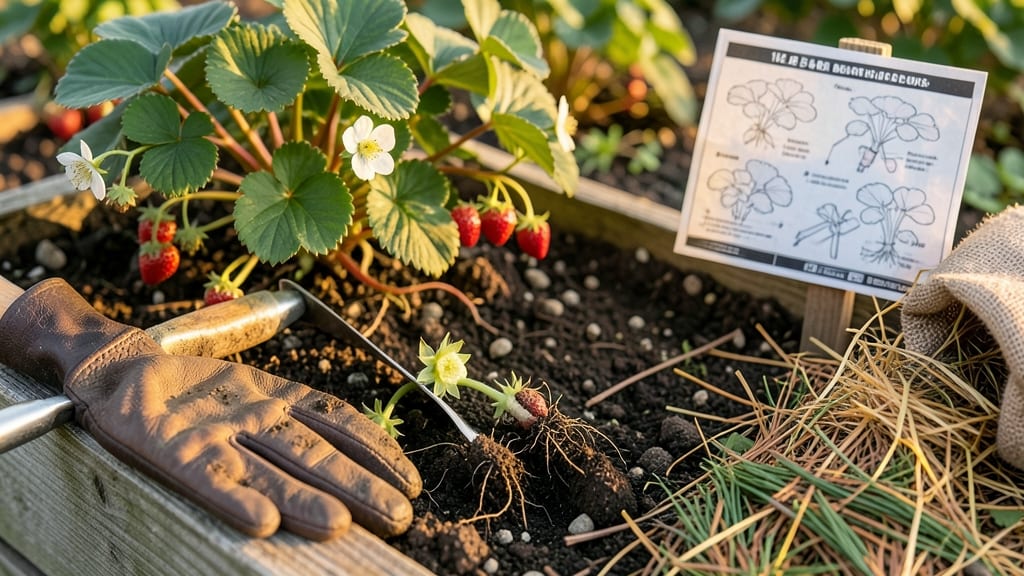
Planting strawberries in Tennessee at the wrong time can mean the difference between a bountiful harvest and disappointment—especially with the state's shifting microclimates from the Smokies to the flatlands. The ideal window isn't just about months; it's about soil temperatures, frost risks, and even your elevation zone.
Most gardeners in zones 6a-7b reach for their 🍓 plants in early spring, but late summer/fall offers a second chance for a fall harvest. I’ll break down the best planting months for your specific elevation—whether you’re in the lowlands or highlands—and why timing matters more than you think.
From bare-root plants to potted varieties, I’ll cover everything you need to know to set your strawberries up for success. You’ll learn how to prepare your soil, protect against late frosts, and even extend your harvest season with the right techniques.
Ready to grow strawberries that thrive? Let’s dive into the best planting strategies tailored to Tennessee’s unique growing conditions—and start planning your next harvest today.
Tennessee strawberry planting calendar by elevation zone (lowland vs. highland)
Tennessee’s three distinct elevation zones—lowland (0–1,000 ft), midland (1,000–2,000 ft), and highland (2,000+ ft)—each demand a tailored approach to strawberry planting.
The last frost dates shift dramatically: Nashville’s lowlands average March 15, while the Great Smoky Mountains can delay frost until April 15 or later. These differences mean planting in March for lowlands could spell disaster in the Appalachian foothills.
Soil temperatures are another game-changer. Strawberries need 40–50°F soil to thrive, but highland areas often lag behind. In Chattanooga (1,500 ft), soil may not warm enough for planting until mid-April, while Memphis (200 ft) gardeners can start as early as late February.
Nursery-grown plants adapt better to these delays, but bare-root strawberries require extra patience in cooler zones.
Here’s how to align your planting with Tennessee’s elevation zones for maximum success:
For bare-root strawberries, timing is even more critical. Plant them as soon as soil is workable—typically 2–4 weeks before your zone’s last frost date. In lowland Tennessee, this means late February, while highland gardeners should wait until mid-April.
Soak roots overnight before planting to reduce shock, and space them 18–24 inches apart for optimal airflow.
Nursery-grown strawberries offer flexibility. Their established roots handle cooler soils better, letting you plant 2–3 weeks later than bare-root varieties. However, highland zones still benefit from waiting until soil reaches 50°F—use a soil thermometer to avoid guesswork.
Mulch immediately after planting with straw or pine needles to insulate roots and retain moisture.
Fall planting is a highland favorite because cooler nights reduce bolting (premature flowering). Aim for September 15–October 15 across all zones, but lowland areas can push into early November if frost isn’t imminent. Use June-bearing varieties for fall, as everbearing types may not produce well in Tennessee’s short growing season.
Pro tip: Microclimates matter. A south-facing slope in Knoxville (1,000 ft) may warm 1–2 weeks earlier than a north-facing valley. Monitor local weather stations and adjust your planting by 5–7 days if needed. For highland gardeners, row covers can push planting back by 2–3 weeks by trapping heat.
Remember, soil temperature > air temperature. A 60°F day with 40°F soil will stunt growth. Test soil with a thermometer at 4-inch depth—this is the zone where strawberry roots thrive. If temperatures dip below 40°F, delay planting or use black plastic mulch to warm the soil faster.
🌱
5 Critical factors that determine your strawberry planting success in Tennessee
Timing your strawberry planting isn't just about picking a month—it's about understanding Tennessee's unique climate quirks. The last frost date shifts dramatically from Nashville's mid-March to the Smoky Mountains' late April.
Even within 100 miles, your soil temperature could differ by 10°F, making the difference between thriving plants and frost-damaged crops.
Let me break down the 5 critical factors that separate successful harvests from disappointing ones. From soil pH to mulching strategies, these elements work together to create your perfect planting window. Get them right, and you'll enjoy berries 3-4 weeks earlier than your neighbors—plus bigger yields all season.
Lowlands (0-1,000 ft): March 15
Highlands (2,000+ ft): April 15
Test your soil—acidic soil causes iron chlorosis (yellow leaves)
South-facing beds get 2 hours more sun than north-facing
Straw insulates roots
Black plastic warms soil 5°F faster
Crown 1/2 inch below soil prevents rotting
Too deep = poor fruiting
Your soil pH is the foundation—strawberries thrive in 5.5-6.5, but Tennessee's clay-heavy soils often run 6.5-7.5. I've seen gardens where lime was added to raise pH, only to kill the plants because the soil became too alkaline.
Always test first! A simple $10 soil kit from your local extension office saves hours of frustration.
Don't underestimate sunlight exposure. While 6 hours sounds sufficient, Tennessee's partial cloud cover can reduce effective sunlight by 30%. I recommend planting in south-facing beds or using reflective mulch to bounce light onto plants. My highest-yielding patch gets 8 hours of direct sun—noticeable difference in berry size and sweetness.
Your mulching choice directly impacts planting timing. Straw mulch adds 5°F insulation against late frosts, while black plastic warms soil 10°F faster in spring. I use straw in highland areas (where frosts linger) and plastic in lowland zones to jumpstart growth.
Pro tip: Remove plastic 2 weeks before harvest to avoid soil-borne diseases.
Finally, planting depth makes or breaks your success. The crown (where leaves meet roots) should sit 1/2 inch below soil. I've seen gardeners bury it too deep, leading to rotten crowns and no fruit.
Mark your planting holes with a pencil to track depth—it's a small effort that prevents costly mistakes.
Troubleshoot common issues by checking these factors first: yellow leaves? Likely pH or nutrient problem. Small berries? Probably insufficient sunlight. No fruit? Could be wrong planting depth or over-fertilizing.
Keep a gardening journal to track what works in your specific microclimate—your notes will become your most valuable tool.